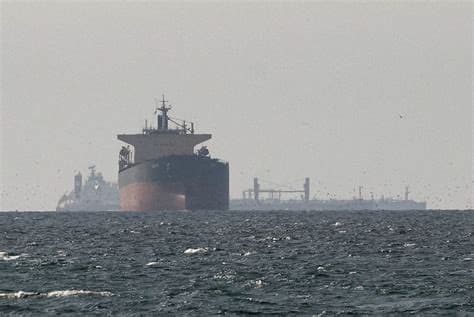
The United Nations is taking proactive measures to create a mechanism aimed at safeguarding trade in the Strait of Hormuz, which has been heavily impacted by the recent military conflict involving Iran. As hostilities have escalated, the strait, a crucial chokepoint for global oil transport, has seen significant disruptions, raising concerns over international shipping and commerce.
Following a series of attacks on vessels and infrastructure in the region, the UN's Security Council convened to discuss strategies to mitigate risks associated with the conflict. The proposed mechanism would involve international cooperation to enhance maritime security, ensuring safe passage for vessels navigating through the strait.
Recent military operations, particularly by the U.S. and Israel, targeted Iranian military capabilities, which Iran subsequently retaliated against, seeking to disrupt shipping through the strait. This ongoing cycle of violence has led to a rise in shipping insurance costs and hesitancy from commercial shipping lines to traverse the area, causing delays and increased transportation expenses.
UN Secretary-General António Guterres emphasized the importance of stabilizing the region for economic security, stating that a secure Strait of Hormuz is vital not only for the countries in the region but for global trade overall. The UN's initiative aims to establish clear protocols for monitoring shipping activities and ensuring prompt response capabilities in case of threats.
As the situation remains fluid, nations that rely heavily on Gulf oil, particularly in Europe and Asia, are closely watching these developments. Analysts predict that a well-defined plan from the UN could help alleviate tensions and restore a degree of predictability to maritime logistics in the strait.
The effectiveness of the UN's proposal, however, will depend on the cooperation and commitment of regional powers and international stakeholders, who must work together to navigate the complexities of the conflict and its broader implications for global trade.
Published by Banx Network. This article is part of the Banx decentralized media programme, powered by the BXE token on the XRP Ledger.