
Key Highlights
- Increased military activity near Chernobyl raises nuclear safety concerns.
- 35 Russian missiles detected near the decommissioned plant.
- International Atomic Energy Agency warns of potential nuclear accidents.
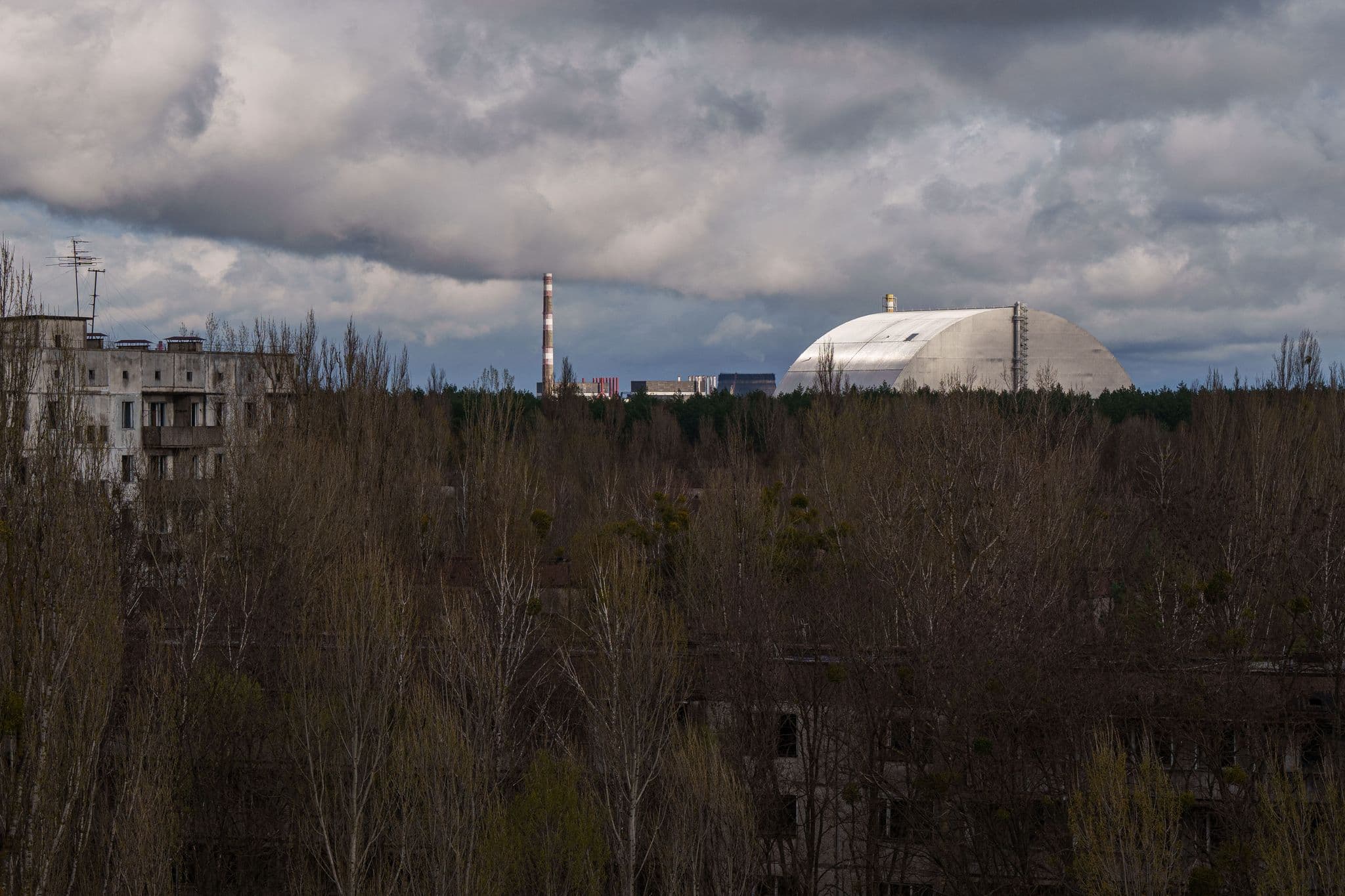
In the lead-up to the 40th anniversary of the Chernobyl disaster, renewed military activities near the site have ignited fears of another nuclear incident in Ukraine. Ruslan Kravchenko, Ukraine's top state prosecutor, disclosed that numerous Russian missiles and drones have been launched along flight paths dangerously close to the decommissioned nuclear plant, potentially escalating risks of a major accident.
Kravchenko reported that 35 Russian hypersonic Kinzhal missiles have been detected within 20 kilometers of the Chornobyl facility and the Khmelnytskyi nuclear plant, with many passing perilously close during single flights. He emphasized that these military activities seem more aimed at intimidation than any strategic objective in the ongoing war. The presence of such advanced weaponry raises significant concerns about the safety of the nuclear sites, which are still recovering from the catastrophic events of 1986.
The Chornobyl disaster remains etched in memory as the most catastrophic nuclear incident in history, with radioactive fallout contaminating vast regions across Europe. The fear now is that irresponsibility in military operations amid the current conflict could lead to further environmental and human disasters. The potential for a new incident looms large, especially given the historical context of the site and the ongoing tensions in the region.
Since the recent escalations, 92 Russian drones have also been tracked flying within a five-kilometer radius of the Chornobyl plant's radiation shielding. These incidents have sparked considerable concern among both local authorities and international observers. The International Atomic Energy Agency (IAEA) has expressed deep unease over the proximity of military activities to nuclear sites, stressing the urgent need for restraint to prevent any potential nuclear accidents. The IAEA's warnings highlight the precarious balance between military operations and nuclear safety in a conflict zone.
In February 2025, a drone strike attributed to Russia successfully penetrated the site’s radiation containment shield, raising alarms about the future integrity of the facility. Estimates suggest that it would take at least €500 million to repair the damages inflicted on this critical infrastructure, which is essential for prolonging its safety. The financial implications of such repairs are daunting, especially for a nation already grappling with the costs of war.
The implications of these military maneuvers are grave. With ongoing warfare directly around areas already grappling with the aftermath of the original disaster, authorities warn that the consequences could be catastrophic, not just for Ukraine, but for Europe at large. The interconnectedness of nuclear safety and military conflict underscores the urgent need for international dialogue and intervention.
As the international community remembers the Chernobyl disaster, the message is clear: the risks surrounding nuclear safety remain alarmingly high, and urgent action is needed to mitigate them in the face of ongoing conflict. The legacy of Chernobyl serves as a stark reminder of the potential consequences of neglecting nuclear safety in times of war.
Published by Banx Network. This article is part of the Banx decentralized media programme, powered by the BXE token on the XRP Ledger.



