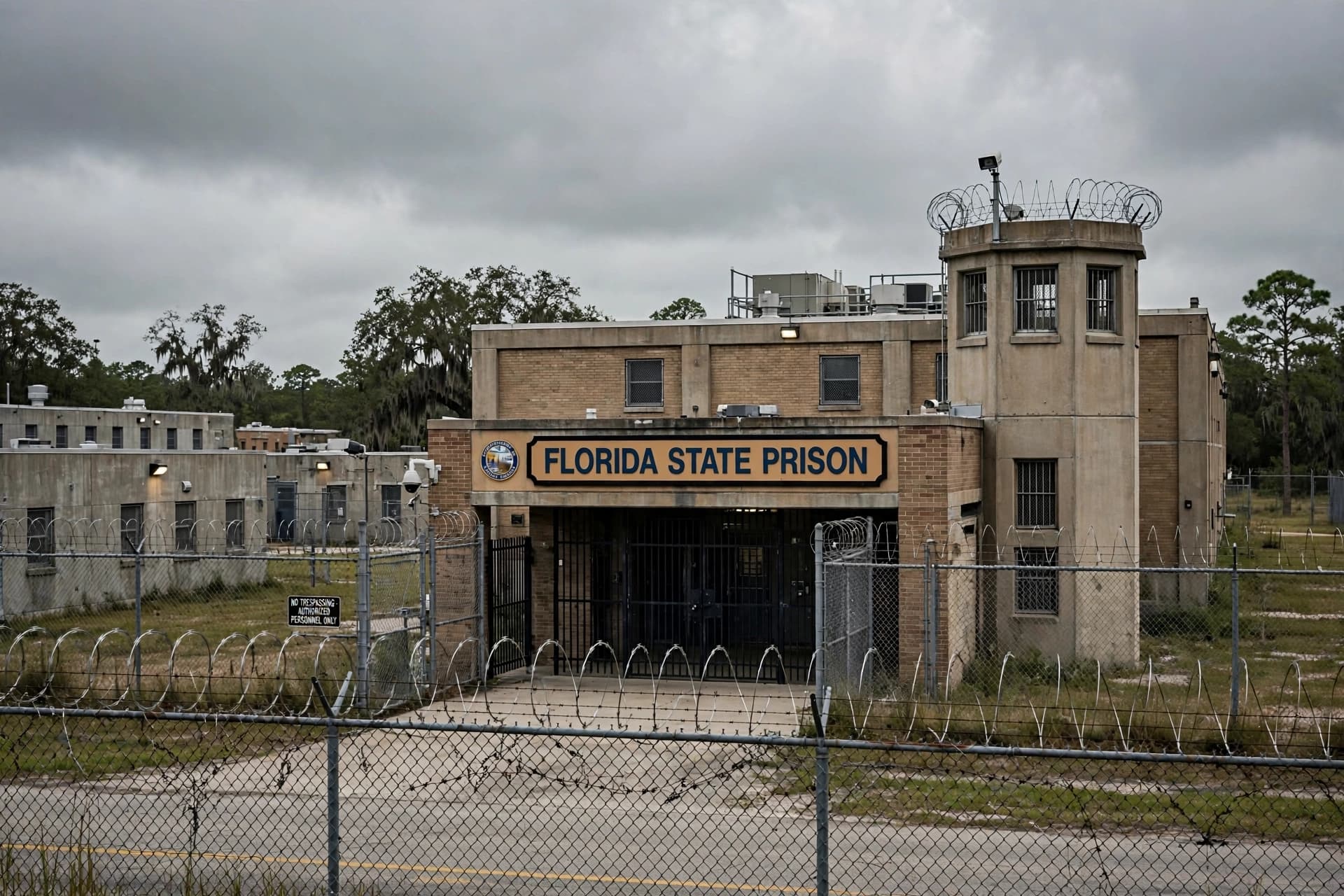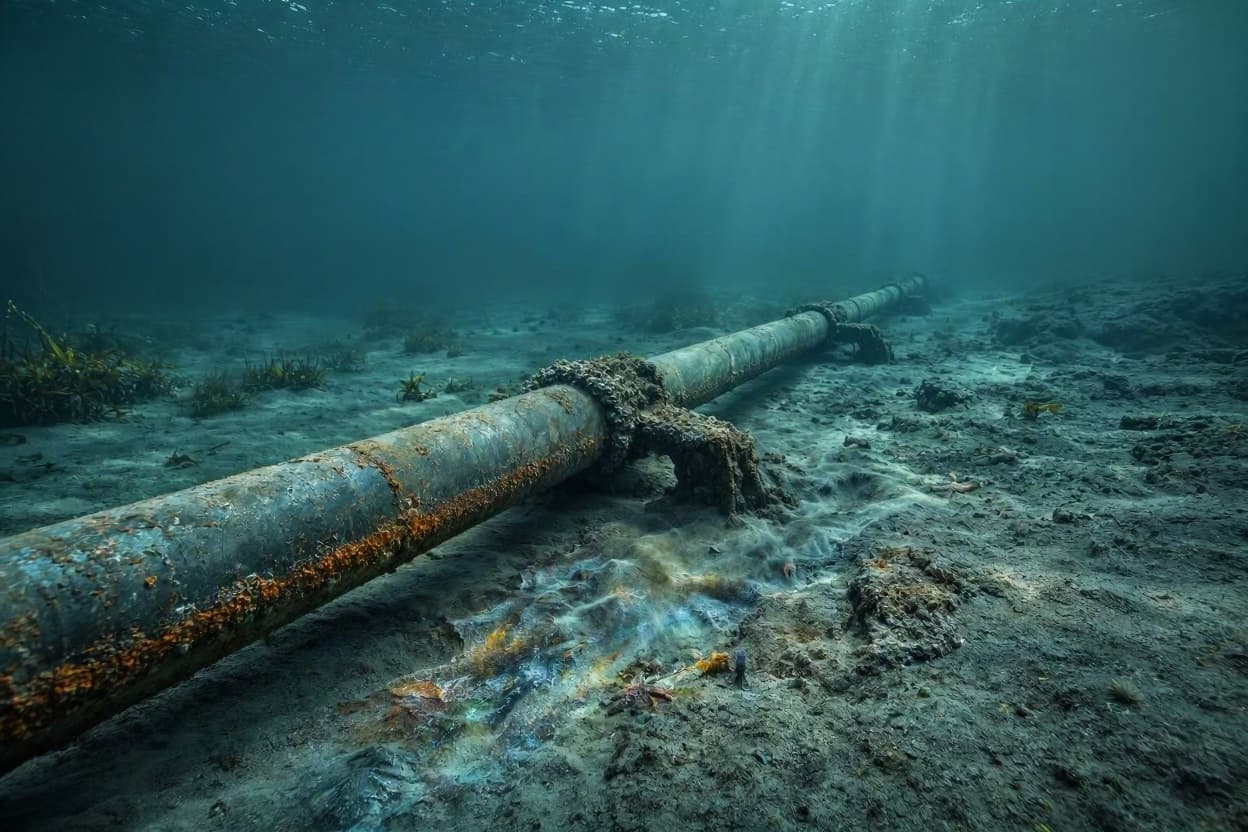
In the quiet coastal town of Pula, Croatia, the rhythm of daily life was interrupted by a significant international development. Authorities have arrested a Ukrainian national, identified as a trained scuba diver, in connection with the 2022 explosions that damaged the Nord Stream gas pipelines. The arrest marks a pivotal moment in one of the most complex and consequential investigations into energy infrastructure sabotage in recent European history, bringing a long-sought suspect into the fold of legal accountability.
The Nord Stream pipelines, which once carried vast quantities of natural gas from Russia to Germany, were severed by a series of underwater explosions in September 2022. The incident triggered an energy crisis across Europe and sparked intense geopolitical speculation about who was responsible. For years, investigators from several nations, including Germany, Sweden, and Denmark, have pieced together evidence, following a trail that has led them to this specific individual.
According to German prosecutors, the arrested man, known only by the initial Z., is alleged to have been part of a team that placed explosives on the pipelines. He is wanted for serious acts of sabotage and causing an explosion. His capture in Croatia, far from the scene of the crime but within the Schengen Area’s open borders, highlights the extensive reach of modern international police cooperation. Interpol and Europol played crucial roles in tracking his movements and coordinating the operation.
For the Ukrainian government, the arrest presents a delicate diplomatic situation. While Kyiv has consistently denied any involvement in the sabotage, emphasizing its focus on defending its own territory, the nationality of the suspect draws immediate attention. Officials in Kyiv have stated that they respect the rule of law and will cooperate with international partners, but they maintain that the actions of individuals do not reflect state policy.
The legal proceedings now shift to Germany, where the suspect is expected to be extradited. German authorities have built a case based on forensic evidence, surveillance footage, and witness testimonies. The trial will likely delve into the motivations behind the act, the chain of command, and the broader network involved. It is a process that promises to reveal more about the shadowy world of hybrid warfare and infrastructure targeting.
Public reaction in Europe has been mixed. Some view the arrest as a step toward justice and transparency, hoping it will clarify the murky circumstances surrounding the pipeline attacks. Others remain skeptical, questioning whether this single arrest will uncover the full truth or if it is merely a piece of a larger puzzle. The incident has left many wondering about the extent of state-sponsored operations in peacetime Europe.
For the energy sector, the memory of the Nord Stream explosions remains a stark warning. The vulnerability of critical infrastructure to non-state actors or covert operations has led to increased security measures across the continent. Pipelines, cables, and other subsea assets are now monitored with greater vigilance, reflecting a new reality where economic stability is closely tied to physical security.
As the judicial process begins, the focus remains on the facts. The arrest in Croatia is not the end of the story, but a significant chapter in a narrative that has shaped European politics and energy policy for years. It serves as a reminder that even in an age of digital warfare, physical acts of destruction leave tangible traces, and those who commit them may eventually face the consequences.
AI Image Disclaimer: The visual elements in this article are AI-generated illustrations depicting underwater scenes and abstract representations of legal proceedings, designed to reflect the themes of the investigation without showing real suspects or proprietary forensic data.
Sources: The Guardian, Reuters, Deutsche Welle, Associated Press
Published by Banx Network. This article is part of the Banx decentralized media programme, powered by the BXE token on the XRP Ledger.