
Key Highlights
- Ukraine launched a significant drone attack on Russia, targeting multiple regions and Crimea.
- Russia intercepted 660 drones, marking one of the largest assaults since the invasion began.
- Ukrainian President Zelenskyy announced a strategic escalation to increase pressure on Russia.
Ukraine has intensified its military operations against Russia, launching a major nighttime drone assault that struck a dozen Russian regions, including Russian-held Crimea and surrounding seas. This attack is being described by Moscow as one of Kyiv's most substantial drone offensives since the onset of Russia's full-scale invasion over four years ago. The scale of the operation underscores Ukraine's ongoing strategy to leverage long-range drones to disrupt Russian military logistics and infrastructure.
According to Russia's Defense Ministry, its air defenses successfully intercepted 660 Ukrainian drones during this latest assault. This figure surpasses the previous record of 556 drones intercepted during an attack on May 17, indicating a significant escalation in Ukraine's drone warfare capabilities. Analysts suggest that these drone strikes are part of a broader Ukrainian strategy aimed at targeting oil production and energy facilities deep within Russian territory, thereby disrupting fuel supplies critical for military operations.
Initial reports from Russian officials regarding the damage caused by the drone strikes were limited. Moscow typically refrains from providing detailed accounts of the outcomes of Ukrainian drone attacks. However, an independent news outlet, Astra, reported that a chemical plant and a hydroelectric facility in Novomoskovsk were struck and subsequently caught fire. These claims, however, have not been independently verified by major news organizations like the Associated Press.
In Moscow, Mayor Sergei Sobyanin reported that 47 drones were intercepted as they approached the capital, although he did not provide information on any casualties or damage. Meanwhile, Ukraine's Security Service claimed responsibility for targeting Russian naval vessels and air defense systems in Kerch, Crimea. They asserted that their strikes successfully hit reconnaissance and minelaying ships, as well as a ferry, igniting a significant fire. These assertions also await independent verification.
Prior to the drone strikes, Ukrainian President Volodymyr Zelenskyy announced a “40-day influence operation,” which many interpret as a strategic move to compel Russia to reconsider its military actions. Zelenskyy emphasized that commitments of support from allies, including U.S. President Donald Trump, would bolster Ukraine's efforts to apply pressure on Russia. The ongoing conflict has also seen both nations exchanging prisoners of war, with 160 individuals returning from each side on Friday, highlighting the continued human cost of the war.
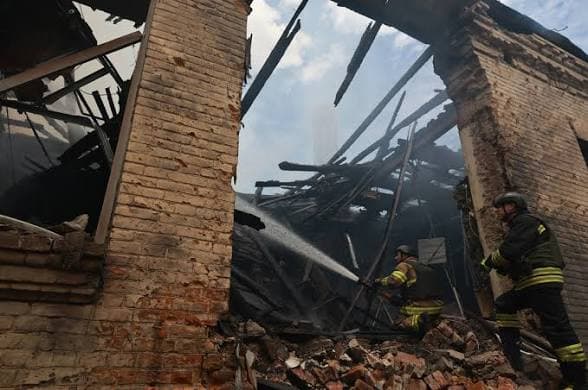
In addition to the drone strikes, Ukraine reported that Russian forces have been conducting ongoing attacks, resulting in civilian casualties and injuries in regions such as Kharkiv. Ukrainian defenses claimed to have intercepted 174 out of 189 Russian drones overnight, although they acknowledged that four of seven Iskander-M ballistic missiles managed to reach their targets, further complicating the situation on the ground.
As the conflict continues to evolve, the implications of these drone attacks and the broader military strategies employed by both Ukraine and Russia will be closely monitored by international observers and analysts alike.
Published by Banx Network. This article is part of the Banx decentralized media programme, powered by the BXE token on the XRP Ledger.



