
Key Highlights
- Ukraine is shifting grain exports to alternative routes due to Russian attacks.
- The agriculture minister estimates a capacity of only half of typical Black Sea volumes.
- Direct losses from disrupted exports could reach up to $3 billion this year.
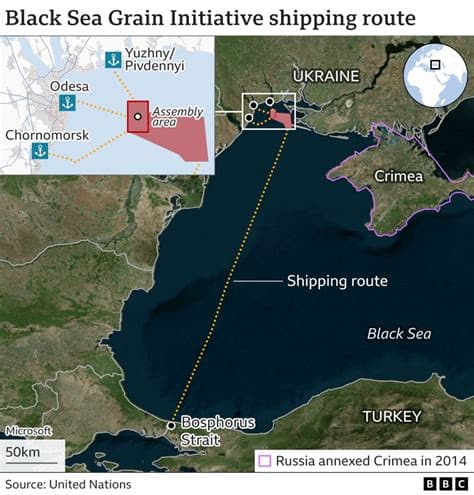
Ukraine is currently navigating a significant crisis in its grain export capabilities as Russian military actions have severely disrupted operations at key Black Sea ports, particularly the Odesa hub. The ongoing conflict has forced the country to explore alternative routes for exporting its agricultural products, which are vital to both its economy and global food supply.
Agriculture Minister Taras Vysotskyi has indicated that while new export corridors are being established, they may not reach their full operational capacity until the end of August at the earliest. Even then, these routes are expected to handle only about half of the volumes that the Black Sea ports typically manage. This limitation poses a serious threat to Ukraine's agricultural sector, which relies heavily on these ports for international trade.
The situation is dire, with estimates suggesting that over 30 million tons of cereals and oilseeds could fail to reach international markets due to the ongoing disruptions. This potential shortfall not only threatens Ukraine's economy but also raises concerns about global food security, as the country is one of the world's largest grain exporters.
The financial implications of these disruptions are staggering. Direct losses from the inability to export grain could total between $1.5 billion and $3 billion this year, according to Vysotskyi. These figures highlight the urgent need for effective solutions to restore Ukraine's export capabilities and mitigate the economic fallout from the conflict.
In response to these challenges, Ukraine is actively seeking partnerships and alternative routes to ensure that its agricultural products can still reach global markets. This includes exploring land routes through neighboring countries and increasing reliance on rail and road transport. However, these alternatives come with their own set of logistical challenges and may not fully compensate for the loss of Black Sea access.
As the situation evolves, the international community is closely monitoring Ukraine's agricultural sector and the broader implications for global food supply chains. The resilience of Ukrainian farmers and the government's efforts to adapt to these unprecedented challenges will be crucial in determining the future of the country's agricultural exports.
Published by Banx Network. This article is part of the Banx decentralized media programme, powered by the BXE token on the XRP Ledger.



