The night sky over Moscow, usually a canvas of city lights and quietude, was recently punctuated by the hum of distant engines and the flash of explosions. In a bold escalation of the long-running conflict, Ukraine launched a massive drone strike against the Russian capital, targeting key infrastructure and sending shockwaves through the political establishment. The attack, described by officials as one of the largest of its kind, marks a significant shift in the war’s geography, bringing the conflict directly to the heart of Russia’s power center.
In the aftermath, the Kremlin issued a stern warning to the United Kingdom, accusing London of complicity in the attacks. Russian officials claimed that British-made drones were used in the strike, a assertion that has drawn sharp rebukes from Downing Street. The Russian embassy in London stated that the U.K. would "pay a price" for its support, hinting at potential retaliatory measures that could extend beyond the battlefield into diplomatic and economic spheres.
For the British government, the threat is a familiar but serious challenge. Prime Minister Andy Burnham reaffirmed the U.K.’s unwavering support for Ukraine, stating that London would not be bullied by Russian rhetoric. He emphasized that sovereign nations have the right to defend themselves and that the supply of defensive technology is a legitimate part of international law. The stance reflects a broader Western consensus that backing Ukraine is essential for regional stability.
The use of long-range drones has become a hallmark of modern warfare, allowing smaller forces to project power over vast distances. For Ukraine, these strikes are not just military operations but symbolic acts of resistance, demonstrating that no target is out of reach. The psychological impact on the Russian population is significant, challenging the narrative of security and control maintained by the state.
Russia’s response has been a mix of air defense activations and diplomatic bluster. While claiming to have intercepted many of the drones, authorities acknowledged some hits, leading to fires and minor disruptions in the city. The incident highlights the limitations of even advanced air defense systems when faced with swarms of low-cost, agile unmanned aerial vehicles.
Internationally, the reaction has been cautious. Allies of Ukraine have expressed concern about escalation but continue to provide military aid. The debate over the types of weapons supplied and their permitted use remains a contentious topic in European capitals. Some nations fear that striking deep into Russian territory could provoke a wider conflict, while others argue that it is necessary to degrade Russia’s war-making capacity.
For the residents of Moscow, the sirens and explosions are a stark reminder of the war’s reach. Life continues, but with an undercurrent of anxiety. The normalization of such attacks raises questions about the future of urban safety in conflict zones. It is a sobering reality that modern technology has erased the distance between front lines and home fronts.
As tensions simmer, the world watches to see how Russia will respond to the perceived breach of its sovereignty. Will it lead to further retaliation against Western suppliers, or will diplomatic channels manage the crisis? For now, the skies remain watchful, and the price of peace seems higher than ever.
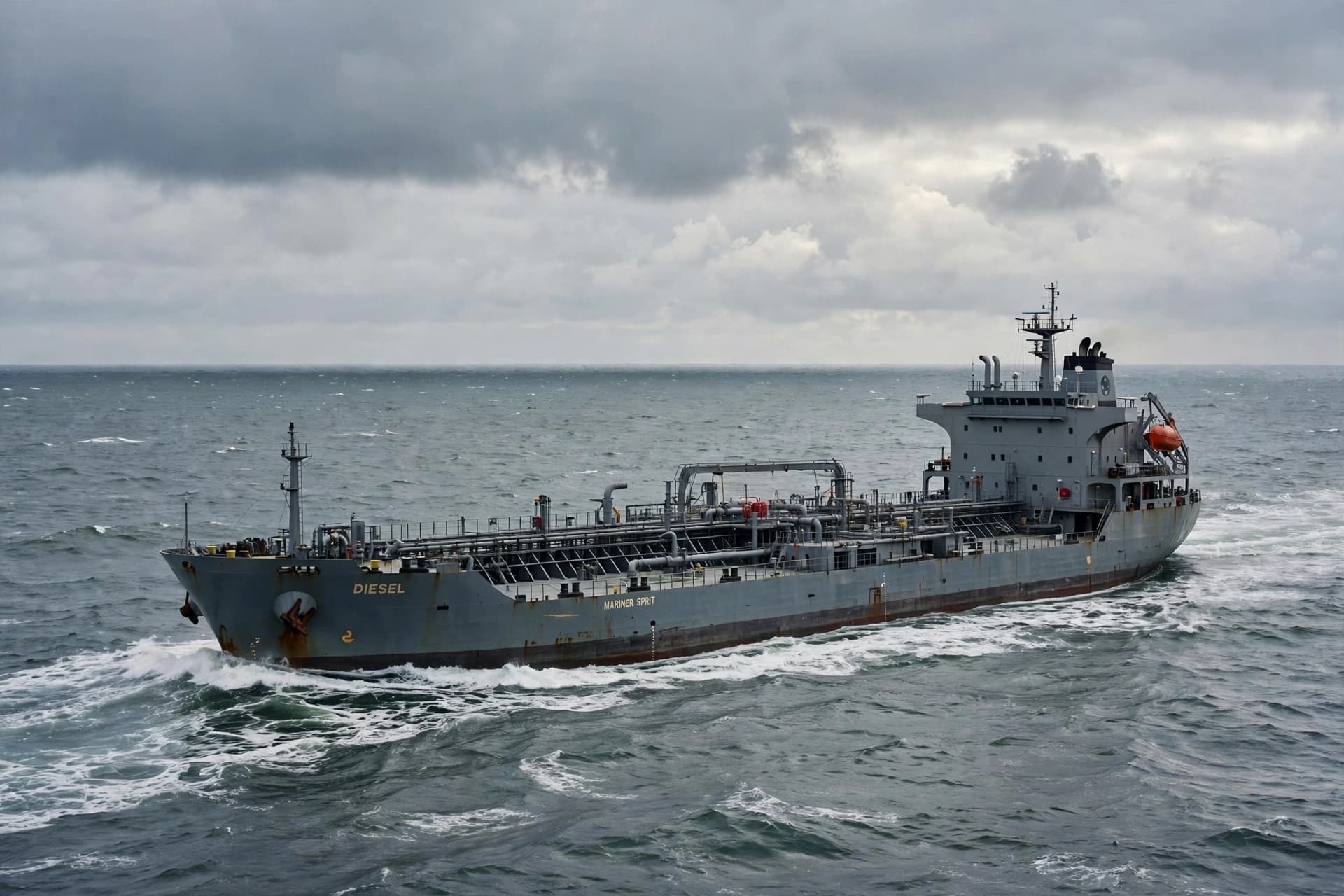
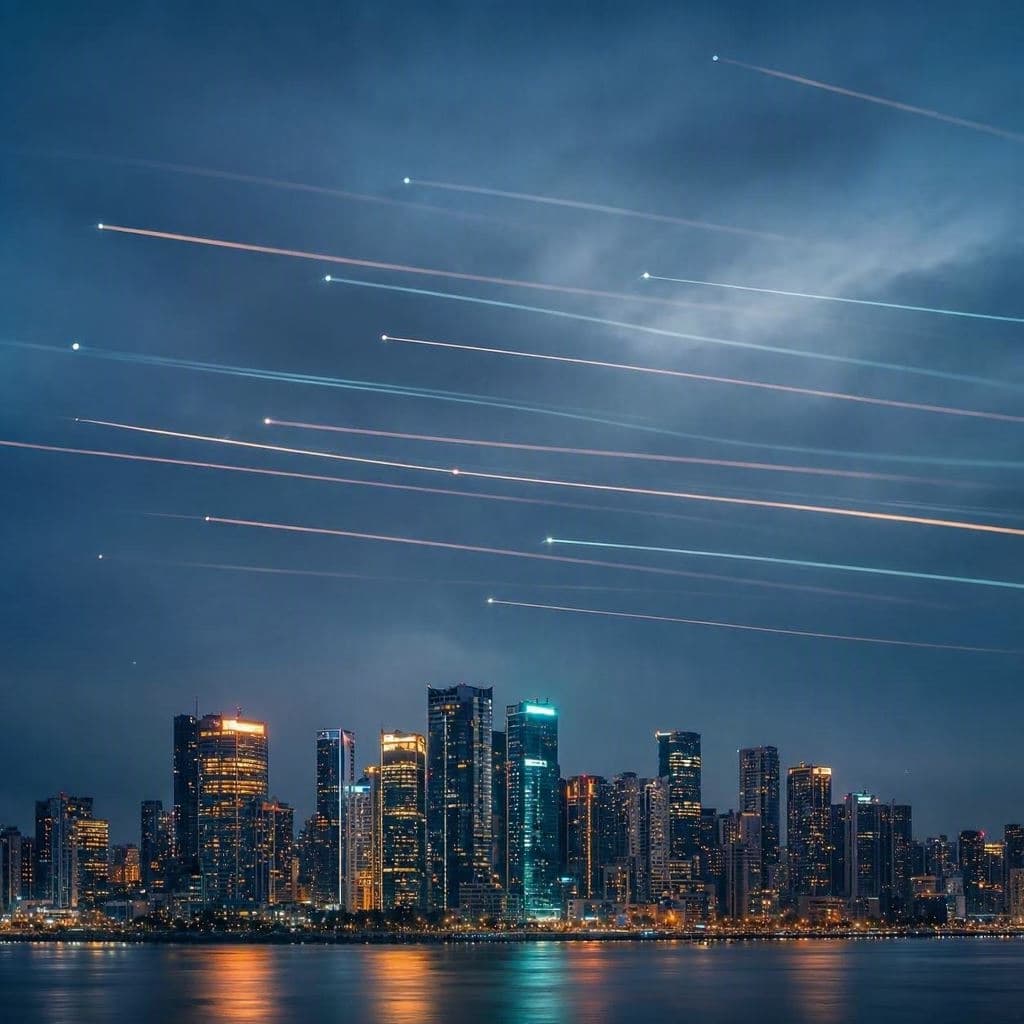
AI Image Disclaimer: The visual elements in this article are AI-generated illustrations depicting night skies and abstract representations of drone technology, designed to reflect the context without showing real explosions or victims.
Sources: UPI, The Independent, Sky News, CGTN
Published by Banx Network. This article is part of the Banx decentralized media programme, powered by the BXE token on the XRP Ledger.