
Key Highlights
- Ukraine's drone forces targeted a Russian oil refinery near Moscow, igniting significant fires.
- President Zelenskyy emphasized the need for peace talks and an end to the ongoing conflict.
- The strike is part of Ukraine's strategy to disrupt Russian military and energy resources.
Ukraine’s drone forces launched a significant strike on a Russian oil refinery located near Moscow, resulting in major fires and prompting retaliatory statements from both Ukrainian and Russian officials. This attack marks a continuation of Ukraine's efforts to target Russian energy infrastructure, which President Volodymyr Zelenskyy has described as essential to undermining Russia's military capabilities and pushing for peace negotiations.
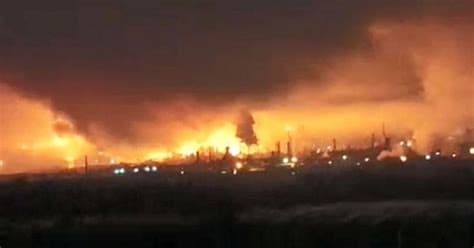
Images circulated by Russian media depicted large flames and thick smoke billowing from the Moscow Oil Refinery, situated approximately nine miles from the Kremlin. This recent strike follows a previous attack on the same facility in June, which Russian authorities claimed was swiftly contained. The persistence of these strikes highlights Ukraine's ongoing campaign to disrupt the resources that fuel Russia's war efforts.
In a statement following the attack, Zelenskyy reiterated his call for an end to hostilities, urging Moscow to take necessary steps toward diplomacy. He framed the drone strike as a tactical move to weaken Russia's military supply lines and to apply pressure for a peaceful resolution to the conflict. Zelenskyy’s remarks reflect a broader strategy aimed at crippling the economic and military resources that support the ongoing invasion.
The strike on the refinery is part of a larger pattern of long-range drone operations conducted by Ukraine, which have increasingly targeted Russian military industries and energy facilities. This strategy aims to disrupt not only the supply chains but also the revenue streams that are critical to sustaining Russia's military operations. Ukrainian officials have pointed to the growing effectiveness of their drone capabilities as a key factor in maintaining pressure on Russian infrastructure.
In response to the attacks, Russian officials reported that air defenses intercepted hundreds of drones overnight across various regions, including many aimed at the Moscow area. The Kremlin has characterized these Ukrainian strikes as attempts to destabilize the region, asserting that they are ineffective in altering the situation on the battlefield. Russian leaders have vowed to enhance the protection of fuel and energy sites while continuing their military operations.
The exchange of blame between Ukrainian and Russian officials underscores the escalating tensions, with each side framing their actions as justified responses to provocations. As drone strikes continue to penetrate deep into Russian territory, the implications for civilian areas and critical infrastructure are becoming increasingly significant, raising the stakes for both nations involved in this protracted conflict.
Published by Banx Network. This article is part of the Banx decentralized media programme, powered by the BXE token on the XRP Ledger.



