Key Highlights
- Ukrainian drone strikes have targeted Russian refineries, affecting 55% of gasoline production.
- Analyst Sergei Vakulenko estimates that current stockpiles may last about one week.
- Russia has implemented fuel-sale limits in some regions due to the crisis.
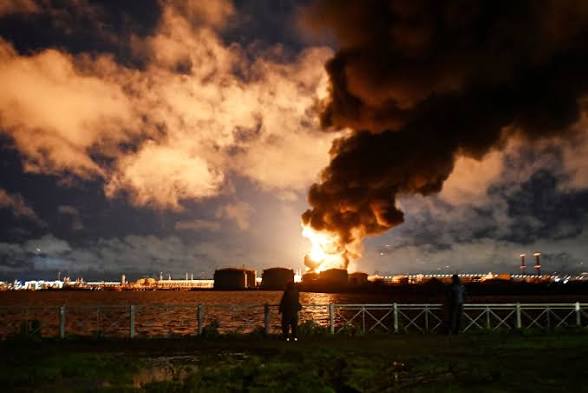
The ongoing conflict between Ukraine and Russia has escalated with recent drone strikes targeting key oil refineries in Russia. These strikes have reportedly knocked out approximately 55% of the country's gasoline production capacity, raising concerns about potential fuel shortages. Analyst Sergei Vakulenko from the Carnegie Russia Eurasia Center has provided insights into the situation, indicating that the stockpiles built during a relatively quiet October may only sustain national consumption for about one week.
The implications of these strikes are significant, as they could lead to widespread fuel shortages across Russia. The estimate provided by Vakulenko is not an official reserve figure; rather, it reflects the current state of production and the extent of refinery capacity that remains offline. The situation is fluid, and the actual impact will depend on how quickly Russia can restore its refining capabilities.
In response to the crisis, Russian authorities have already begun implementing fuel-sale limits in certain regions. This measure is aimed at managing the available supply and preventing panic among consumers. The government’s actions indicate a recognition of the seriousness of the situation and the potential for unrest if fuel shortages become widespread.
The strikes on Russian refineries are part of a broader strategy by Ukraine to disrupt Russia's military logistics and economic stability. By targeting critical infrastructure, Ukraine aims to weaken Russia's ability to sustain its military operations. The effectiveness of these strikes highlights the ongoing vulnerability of Russia's energy sector, which has been a cornerstone of its economy.
As the conflict continues, the energy landscape in the region remains precarious. Analysts will be closely monitoring the situation to assess how long Russia can maintain its gasoline supplies under these challenging circumstances. The potential for further strikes and the response from Russian authorities will play a crucial role in shaping the future of fuel availability in the country.
In conclusion, the recent developments underscore the interconnectedness of military actions and economic stability in the ongoing conflict. The situation remains dynamic, and stakeholders on both sides will need to navigate the complexities of energy supply and demand in the face of ongoing hostilities.
Published by Banx Network. This article is part of the Banx decentralized media programme, powered by the BXE token on the XRP Ledger.