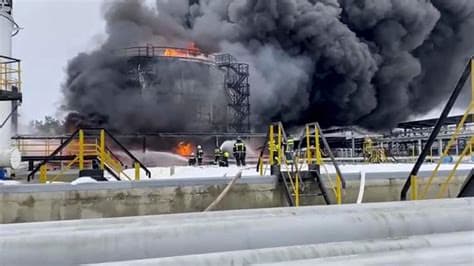
Ukraine has achieved a notable milestone in its military strategy, executing 24 strikes on Russian oil and gas facilities during December. This unprecedented number reflects a robust approach to targeting energy infrastructure, which Ukraine officials claim is crucial in undermining Russia's military capabilities and economic stability amid ongoing conflict.
The strikes have primarily focused on key facilities that play a vital role in Russia's energy sector. With energy exports serving as a critical revenue stream for the Kremlin, damaging these sites aims to disrupt supply chains and diminish funding for military initiatives.
Ukrainian military officials have indicated that these operations are part of a broader strategy to weaken Russia's economic pillars while maintaining pressure on its forces. As the conflict progresses, the targeting of oil and gas sites has become increasingly prevalent, representing a shift in tactics that directly impacts the adversary's resources.
In response to these attacks, Russian authorities have ramped up defensive measures to safeguard their energy infrastructure, including enhanced surveillance and military presence around critical sites. However, the continued success of Ukrainian strikes raises concerns about the effectiveness of these measures and the potential for further escalation in military engagements.
The implications of this record-breaking month extend beyond the battlefield; they also influence energy markets and geopolitical relations. As Europe seeks to diversify energy sources and reduce reliance on Russian oil and gas, the ongoing strikes could contribute to fluctuations in global energy prices and market dynamics.
Both nations remain locked in a protracted conflict, with each side employing various strategies to achieve their objectives. As December progresses, the international community is closely monitoring developments and assessing the potential long-term effects of Ukraine's renewed focus on energy infrastructure.
With winter in full swing, the strategic manipulation of energy resources holds profound significance for both military operations and civilian populations, making these strikes critical to understanding the evolving landscape of the conflict. As tensions rise, the situation remains fluid, with potential ramifications for regional stability and energy security.
Published by Banx Network. This article is part of the Banx decentralized media programme, powered by the BXE token on the XRP Ledger.