
Key Highlights
- Ukraine's drone industry is expanding amid ongoing conflict with Russia.
- Gulf countries are interested in Ukrainian interceptor drones for air defense.
- Exporting drone technology requires government approval due to wartime restrictions.
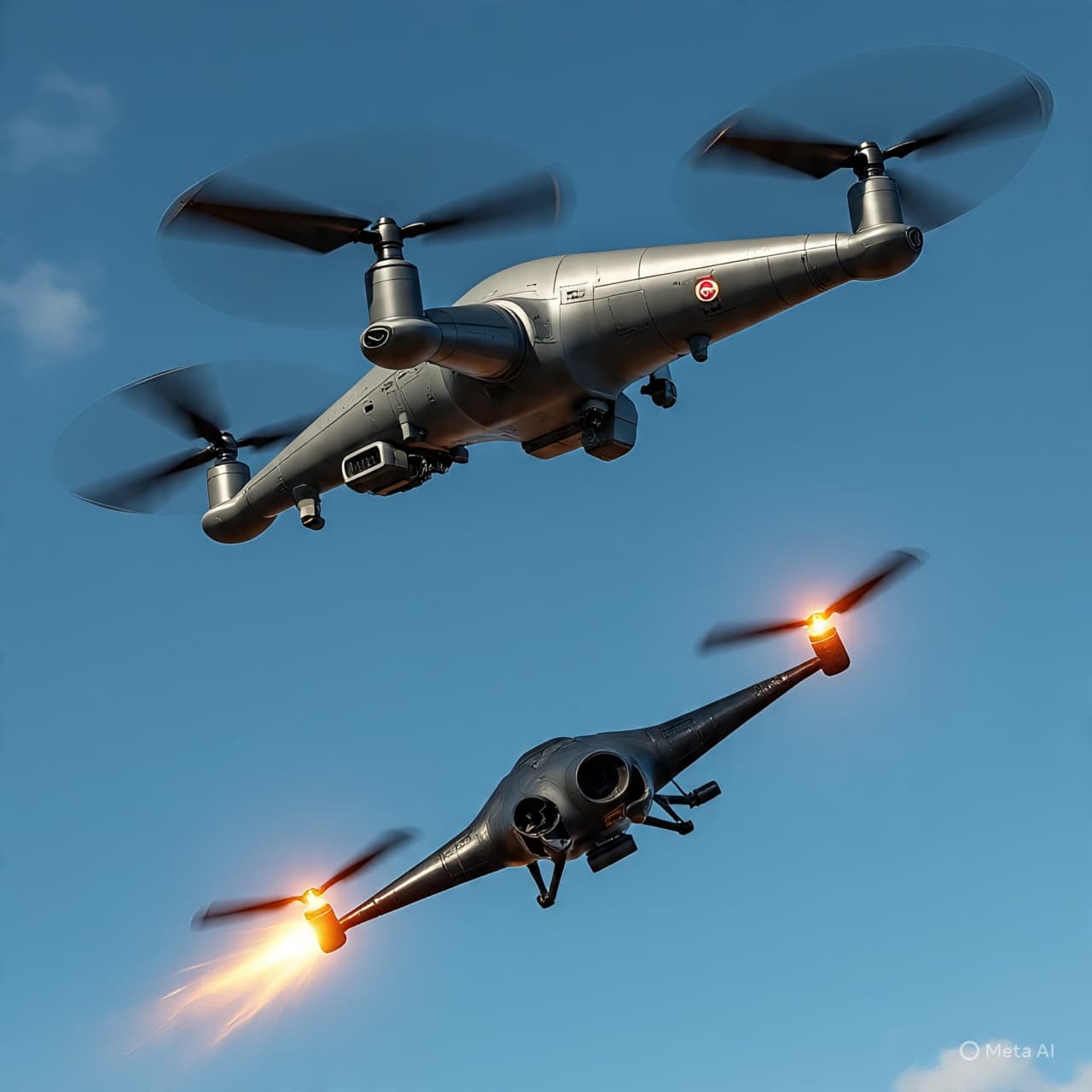
Ukrainian manufacturers of interceptor drones are exploring the possibility of exporting their technology to Gulf countries as tensions linked to Iran increase demand for advanced air-defense solutions. The ongoing conflict with Russia has accelerated the development of these drones, which are specifically designed to counter aerial threats, including those posed by Iranian-designed drones.
The war has prompted Ukrainian engineers and defense companies to innovate rapidly, creating interceptor drones that can effectively hunt down and neutralize hostile unmanned aircraft before they reach their intended targets. These systems were largely developed in response to the increasing use of attack drones, particularly the Iranian-designed Shahed models, which have been deployed in various modern conflicts.
As drone warfare expands beyond Europe, several Gulf nations are beginning to express interest in these advanced systems. With regional governments actively seeking new methods to defend against potential drone attacks, the cost-effectiveness of interceptor drones presents a compelling alternative to traditional missile-based air defense systems. Instead of relying on expensive missiles to destroy incoming threats, these countries can deploy relatively inexpensive interceptor drones that can pursue and disable hostile drones, allowing them to respond effectively to large swarms without depleting costly missile inventories.
Industry representatives indicate that Ukrainian manufacturers have developed significant production capacity during the ongoing war, with some companies asserting they could produce large quantities of interceptor drones each month while still meeting Ukraine's own defense needs. This capability positions Ukraine as a potential supplier for Gulf nations looking to bolster their air defense strategies.
However, the prospect of exporting this technology is not without challenges. Ukraine currently maintains strict controls over weapons exports due to its ongoing conflict, meaning that any international sales would require government approval and careful consideration of national security priorities. This regulatory environment adds a layer of complexity to the potential for Gulf countries to acquire these advanced systems.
Despite these limitations, the interest from foreign partners underscores how Ukraine's wartime innovation has transformed its defense technology sector. The country's experience in countering drone attacks has led to the development of practical solutions that many nations are now evaluating as they seek to enhance their own defense capabilities.
For Gulf countries, which are increasingly concerned about regional instability and the growing use of unmanned aerial systems in warfare, Ukrainian interceptor drones may represent a cost-effective layer of protection. As conflicts evolve to involve drones rather than traditional aircraft, the technologies developed on the battlefield today could significantly influence how nations defend their airspace in the future.
Published by Banx Network. This article is part of the Banx decentralized media programme, powered by the BXE token on the XRP Ledger.



