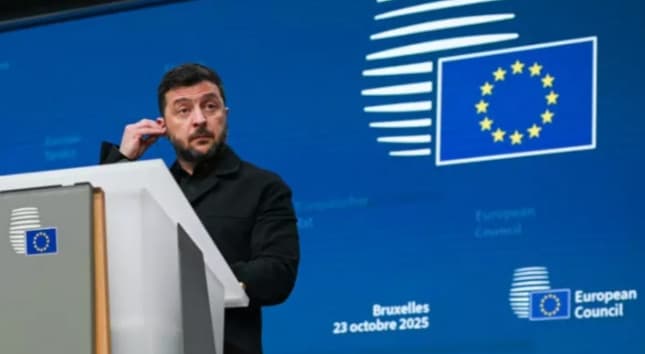
Recent discussions among European diplomats suggest that Ukraine's goal of joining the European Union by 2027 faces significant obstacles. While the desire for integration is strong, the practicalities of membership highlight critical challenges that must be addressed. Ongoing Conflicts
One of the most pressing issues is the ongoing conflict with Russia. The military presence and instability in Eastern Ukraine raise serious questions about the feasibility of EU integration. Without a secure border and settled territorial issues, Ukraine's bid for EU membership remains precarious. Economic Concerns
Economic stability is another crucial factor. Ukraine's economy has been battered by years of conflict and political turmoil, which poses significant challenges to meeting the EU's strict economic and political criteria for membership. There are concerns about Ukraine’s capacity to implement necessary reforms in areas such as anti-corruption, governance, and the rule of law. EU's Preparedness
Furthermore, the EU itself faces internal challenges, including political divisions among member states regarding enlargement. Some countries express skepticism about further expansion, especially in light of their own domestic issues. The Path Forward
While Ukraine's aspirations for EU membership are backed by significant public support and political will, achieving this goal by 2027 seems increasingly unlikely, according to diplomatic assessments. Both Ukraine and the EU must navigate complex territorial, economic, and political landscapes to make this integration possible.
Published by Banx Network. This article is part of the Banx decentralized media programme, powered by the BXE token on the XRP Ledger.