
Key Highlights
- Ukraine's drone strikes are significantly impacting Russian fuel supplies.
- Belarusian fuel shipments to Russia reached record levels in July.
- Russian refinery outages are exacerbating fuel shortages.
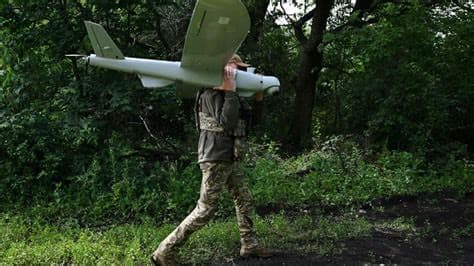
Ukraine's ongoing drone campaign is exerting considerable pressure on Russia's fuel supply chain, particularly as unplanned outages at Russian refineries have led to a marked decrease in gasoline and diesel production. According to reports from Reuters, these strikes have not only disrupted operations but have also forced Russia to seek alternative sources for fuel, notably increasing its reliance on imports from Belarus.
In July, Belarusian shipments of gasoline and diesel to Russia soared to unprecedented monthly levels. Specifically, gasoline deliveries by rail reached 212,000 metric tons, while diesel shipments totaled 162,000 tons. This surge in imports highlights the extent to which Russia is compensating for its domestic production shortfalls. However, it is worth noting that jet fuel imports have seen a decline, indicating a shift in the types of fuel being prioritized amid the ongoing conflict.
The situation is further complicated by Russian government restrictions on diesel exports, which have intensified the need for imports. These restrictions are a direct response to the dwindling domestic supply, which has been severely impacted by the drone strikes targeting key infrastructure. As a result, Russia's dependency on Belarus for fuel has become increasingly pronounced, raising questions about the sustainability of this reliance in the long term.
The implications of these developments extend beyond immediate fuel supply concerns. The increased flow of fuel from Belarus to Russia may also have geopolitical ramifications, as it underscores the deepening ties between the two nations amid international sanctions and isolation. Analysts suggest that this partnership could embolden Russia's military efforts, as access to fuel is critical for sustaining operations in Ukraine.
As the conflict continues, the dynamics of fuel supply and demand will likely evolve. The ongoing drone strikes by Ukraine not only serve as a tactical advantage but also as a strategic maneuver to undermine Russia's operational capabilities. The situation remains fluid, and further developments are anticipated as both sides adapt to the changing landscape of the war.
In conclusion, Ukraine's drone campaign is reshaping the fuel supply landscape for Russia, compelling it to lean heavily on Belarusian imports. This shift not only reflects the immediate impacts of military actions but also hints at broader geopolitical shifts that may influence the course of the conflict in the months to come.
Published by Banx Network. This article is part of the Banx decentralized media programme, powered by the BXE token on the XRP Ledger.



