
Key Highlights
- Date of Talks:Ukraine and Russia began discussions on February 17, 2026.
- Main Focus:The talks center on territorial disputes, particularly in the Donbas region.
- External Pressure:Trump urges Ukraine to act quickly to reach a settlement.
On February 17, 2026, the Ukrainian and Russian delegations commenced two days of discussions in Geneva, a pivotal moment in the ongoing conflict that has persisted since Russia's full-scale invasion nearly four years ago. These talks, mediated by the United States, follow two previous rounds held in Abu Dhabi, which failed to yield significant breakthroughs.
The principal focus of the Geneva talks is territory, particularly the contested eastern Donbas region, where Russia demands that Ukraine cede control over the remaining 20% it occupies. Ukrainian President Volodymyr Zelenskyy has firmly rejected these terms, asserting that Ukraine will not relinquish any of its land. In a press statement, lead Ukrainian negotiator Rustem Umerov emphasized that the agenda will prioritize security and humanitarian issues, stating, “We are working constructively... Our task is to maximally advance those solutions that can bring sustainable peace closer.” However, expectations remain low for a resolution, given the entrenched positions of both sides.
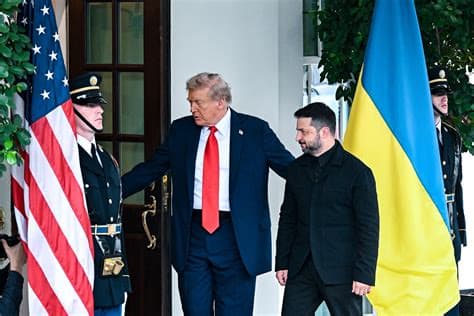
Ahead of the discussions, former President Donald Trump publicly urged Kyiv to act swiftly, asserting, “Ukraine better come to the table fast.” His comments add to the mounting pressure on Ukraine to concede in order to reach a settlement and end what he described as Europe's biggest war since 1945. Trump's administration has set a deadline for a settlement, coinciding with increasing scrutiny over whether Ukraine can afford to delay meaningful negotiations.
The backdrop of these talks is marked by intense violence, including recent airstrikes across Ukraine that have left many without heating and electricity during harsh winter conditions. Zelenskyy has called on allies to intensify pressure on Russia to ensure a "real and just" peace deal through enhanced sanctions and military support. The humanitarian crisis continues to escalate, with civilians bearing the brunt of the ongoing conflict.
Both sides remain adamant about their positions, with Russia insisting on territorial concessions while Ukraine seeks security guarantees to prevent future invasions. High-level participants from both nations, including military chiefs, are also engaging in indirect discussions regarding potential ceasefire monitoring and implementation. As negotiations unfold, the outcome is uncertain, with past experiences revealing profound divisions between the two nations.
The stakes are high as both sides navigate the complexities of national sovereignty and security while trying to address the humanitarian toll of the war on civilians trapped in the conflict. Observers remain cautious, recognizing that trust in the negotiation process is fraught with challenges, especially given the historical context of previous talks. The international community watches closely, hoping for a breakthrough that could lead to a sustainable resolution.
Published by Banx Network. This article is part of the Banx decentralized media programme, powered by the BXE token on the XRP Ledger.



