
Key Highlights
- Attack Overview:A large-scale Ukrainian drone attack targeted St. Petersburg and the Leningrad region.
- Infrastructure Impact:Local oil and port facilities were struck, with no reported casualties.
- Ongoing Tensions:The incident underscores Ukraine's intensified efforts against Russian energy infrastructure.
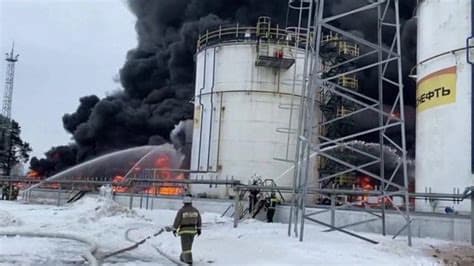
On Saturday night, St Petersburg, Russia's second-largest city, experienced a significant drone attack attributed to Ukrainian forces. Local officials reported that the city's oil terminal was among the critical infrastructure hit during this large-scale assault. St Petersburg Governor Alexander Beglov confirmed the attack, emphasizing that there were no casualties and that emergency responses were promptly initiated.
The drone strikes also affected the Vysotsk port, located approximately 170 kilometers (105 miles) northwest of St Petersburg on the Baltic Sea. Leningrad region Governor Alexander Drozdenko noted that this port is vital for handling oil, grain, coal, and liquefied natural gas, making it a strategic target in the ongoing conflict.
Ukrainian President Volodymyr Zelenskiy took to Telegram to announce that the strikes were aimed at disrupting Russian revenue streams from oil infrastructure, which supports the ongoing war efforts. He also mentioned that the attack extended to Kronstadt, a significant military base located over 850 kilometers (530 miles) from Ukraine's borders. However, Russian officials have yet to confirm any damage to Kronstadt.
In response to the drone assault, Russian military sources claimed that 72 drones were intercepted over the region. Reports from Reuters indicated that while there was minor damage in several nearby settlements, specific details regarding the extent of the damage at Vysotsk port were not disclosed by Governor Drozdenko.
This incident is part of a broader trend, as Ukraine has ramped up its attacks on Russian energy infrastructure in recent weeks. Analysts suggest that these operations are designed to exert pressure on Russia's fuel supplies, which have been strained in various regions. In Gatchina, a town within the Leningrad region, long queues were reported at fuel stations, with some outlets completely out of fuel, highlighting the impact of the ongoing conflict on local resources.
As the situation continues to evolve, the implications of these strikes on both military operations and civilian life in the region remain to be seen. The attack not only reflects the escalating tensions between Ukraine and Russia but also raises questions about the effectiveness of Russia's air defenses against such drone incursions.
Published by Banx Network. This article is part of the Banx decentralized media programme, powered by the BXE token on the XRP Ledger.



