
Key Highlights
- UK Defence Secretary confirms tracking of Russian submarines.
- Operation highlights concerns over Atlantic maritime security.
- Increased vigilance amid rising tensions with Russia.
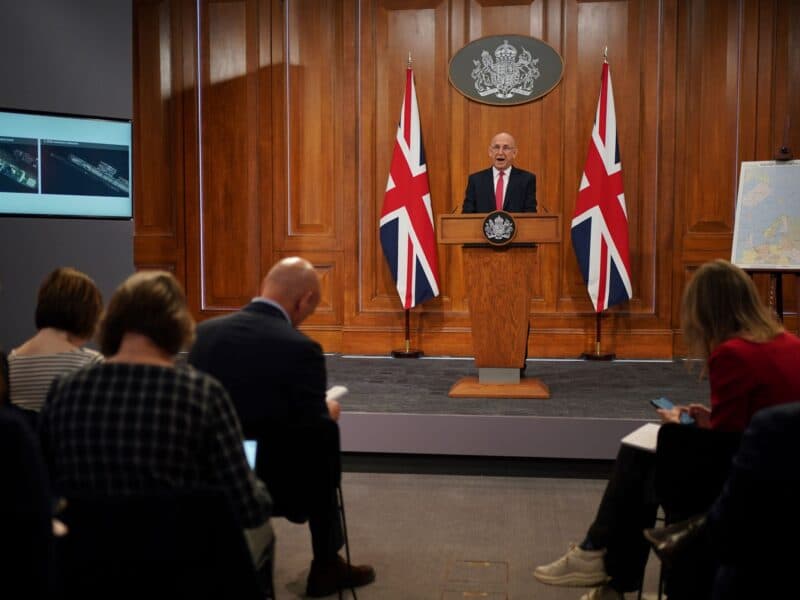
In a significant announcement, the UK Defence Secretary revealed that British military forces successfully tracked Russian submarines during an alleged covert operation in the Atlantic Ocean. This disclosure has intensified discussions surrounding maritime security and the ongoing strategic rivalry between the UK and Russia, particularly as tensions in Europe continue to escalate.
The Defence Secretary emphasized the critical importance of monitoring Russian naval activities, citing concerns that these operations could pose risks to vital Atlantic shipping routes and national security. The UK's military capabilities in submarine tracking have become a cornerstone of its defense strategy, especially in light of the increasing Russian military presence in various maritime regions. This proactive stance underscores the UK's commitment to safeguarding its interests and those of its allies in the face of evolving security challenges.
While specific details of the covert operation remain classified, the Defence Secretary noted that such actions are essential to ensure the safety and integrity of international waters. The UK's ability to detect and track foreign submarines reflects a robust defense posture, aimed at maintaining vigilance against potential threats. This capability is particularly relevant given the historical context of Russian naval operations, which have often raised alarms among NATO allies.
The announcement comes amid heightened tensions in Europe, with NATO allies closely scrutinizing Russian military maneuvers. The UK's proactive approach signals its readiness to counter potential threats and asserts its role as a leading maritime power. Observers have expressed concerns that these submarine operations may indicate broader geopolitical ambitions by Russia, which could lead to increased military engagements in the Atlantic region.
As the situation evolves, the UK and its allies are likely to continue enhancing their maritime surveillance efforts to address potential risks and uphold security in vital shipping lanes. The implications of these developments extend beyond immediate military concerns, as they reflect the shifting dynamics of international relations and the ongoing struggle for influence in strategic waterways.
In conclusion, the UK's tracking of Russian submarines serves as a reminder of the delicate balance of power in the Atlantic and the necessity for continued vigilance in safeguarding maritime security. As geopolitical tensions persist, the role of military surveillance and strategic defense initiatives will remain crucial in shaping the future of international maritime operations.
Published by Banx Network. This article is part of the Banx decentralized media programme, powered by the BXE token on the XRP Ledger.



