
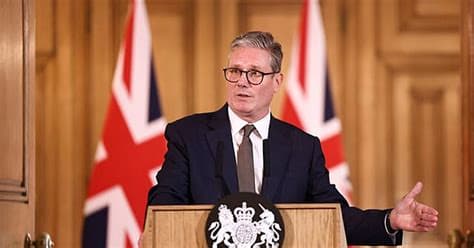
Key Highlights
- Starmer emphasizes the need for a new strategic approach amid the Iran conflict.
- The two-week ceasefire aims to stabilize oil supplies through the Strait of Hormuz.
- Rising energy costs are a significant concern for the UK economy.
Keir Starmer, the Prime Minister of the United Kingdom, recently addressed military personnel in Saudi Arabia, discussing the implications of the ongoing Iran conflict. He underscored the importance of maintaining the two-week ceasefire between the United States and Iran, which he believes is crucial for regional stability and the reopening of the Strait of Hormuz. This strait is a vital artery for global oil supplies, and Starmer stated, “It is clear that the current geopolitical landscape requires us to rethink our strategic partnerships.”
Starmer's remarks were made in the context of escalating tensions, particularly following threats from President Donald Trump, who warned of severe consequences if Iran did not halt its military actions and allow safe passage through the Strait. The situation remains precarious, as the ceasefire is intended to facilitate the safe transport of oil shipments, which are essential for stabilizing prices both in the UK and globally.
The conflict's impact on energy prices and the broader British economy is significant. Starmer expressed concerns about rising inflation linked to energy costs, emphasizing the urgent need for a coordinated effort to reopen the Strait of Hormuz. He articulated that ensuring safe passage for tankers is not only vital for economic stability but also for restoring strategic relations with Gulf partners.
Domestically, Starmer has faced criticism from various political factions. Conservative politicians have labeled his leadership during this crisis as indecisive, arguing that he has not shown strong support for traditional allies. Conversely, the Liberal Democrats have raised doubts about the reliability of Trump as an ally, reflecting the complex political dynamics at play.
Looking forward, Starmer is set to participate in a summit with European Union leaders, where he plans to advocate for closer economic and defense ties. This diplomatic pivot could enhance the UK's position as a stable player in European politics, especially as the repercussions of the Iran conflict continue to unfold across the region.
Reports from Iranian media indicate that oil tankers have suspended their passage through the Strait. While the ceasefire offers a glimmer of hope, Starmer cautioned that it is still “early days.” He echoed a sentiment of cautious optimism, acknowledging that stabilizing British foreign policy will take time but is essential for navigating an increasingly unpredictable global landscape.
Starmer's assertion that Britain must pursue a new path signifies a shift in the country's geopolitical strategy, moving away from its historically strong alignment with the United States. His administration appears committed to fostering renewed friendships and partnerships, particularly with European nations, to safeguard the UK's long-term interests in a volatile world.
Published by Banx Network. This article is part of the Banx decentralized media programme, powered by the BXE token on the XRP Ledger.



