

Key Highlights
- UK government eases sanctions on Russian crude oil amid rising energy prices.
- Decision influenced by domestic energy supply pressures and global market conditions.
- Critics warn this could undermine international efforts against Russia.
In a surprising move, the United Kingdom has decided to relax some of its strict sanctions on Russian crude oil, marking a significant shift in its approach amid ongoing geopolitical tensions. This decision represents a departure from the previously harsh sanctions aimed at penalizing Russia for its actions in Ukraine, which have drawn widespread condemnation from the international community.
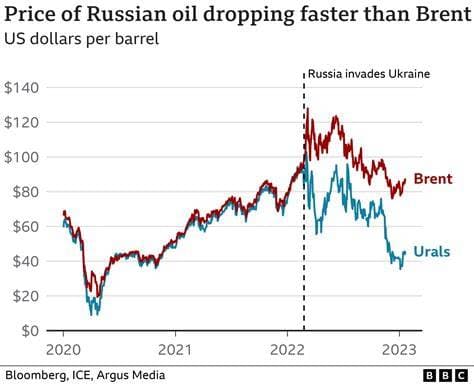
The easing of restrictions is believed to be influenced by several factors, including rising oil prices and mounting pressure on domestic energy supplies. As global markets grapple with supply chain disruptions and fluctuating energy costs, the UK government is reconsidering its strategies to stabilize energy resources while balancing political and economic considerations. The decision comes at a time when many countries are facing energy shortages and soaring prices, prompting a reevaluation of existing policies.
This adjustment may have far-reaching implications for global oil markets, potentially increasing the flow of Russian crude oil back into the international arena. Analysts suggest that this move could affect pricing and availability, intensifying competition among oil-producing nations. With the potential for increased Russian oil exports, the dynamics of the global oil market could shift, impacting both consumers and producers alike.
Critics of the decision argue that relaxing sanctions undermines the international effort to hold Russia accountable for its actions and could send mixed signals to other nations regarding the consequences of aggressive policies. They warn that any resurgence in Russian oil exports might embolden Moscow and diminish the leverage of Western sanctions. This perspective highlights the delicate balance the UK must navigate between economic necessity and diplomatic strategy.
On the other hand, proponents of the relaxation emphasize the importance of ensuring energy security amid rising costs. They argue that pragmatic considerations should guide the policy, especially as economies worldwide continue to feel the effects of high energy prices. The UK government faces the challenge of addressing domestic energy needs while maintaining its stance on international relations and sanctions.
As the situation unfolds, the international community will be closely monitoring the UK’s next steps and the broader implications for energy policy and global geopolitics. The balance between economic necessity and diplomatic strategy will be crucial in determining the future dynamics surrounding Russian oil and its impact on international relations. The UK’s decision could set a precedent for other nations grappling with similar dilemmas in the face of rising energy demands and geopolitical pressures.
Published by Banx Network. This article is part of the Banx decentralized media programme, powered by the BXE token on the XRP Ledger.




