
Key Highlights
- Testimony:Nathaniel Raymond will present evidence to UK MPs.
- Allegations:UK prioritized UAE relations over Sudan crisis response.
- Consequences:Ignored warnings may have led to civilian harm.
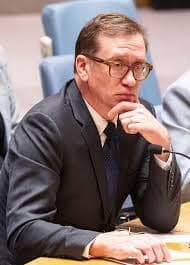
UK Members of Parliament (MPs) are set to hear compelling testimony regarding the United Kingdom's response to the ongoing crisis in Sudan, particularly concerning the el-Fasher massacre. Nathaniel Raymond, a prominent human rights investigator, is expected to assert that the UK was in a unique position to intervene and prevent large-scale atrocities but failed to act decisively. His testimony will be presented to the International Development Committee, highlighting the critical role the UK could have played in shaping the international response to the crisis.
Raymond's assertions are grounded in a series of warnings and recommendations that were reportedly delivered to UK officials over an extended period. He claims that these warnings were often ignored, questioned, or dismissed outright. According to Raymond, the Foreign, Commonwealth and Development Office (FCDO) prioritized its diplomatic and economic relationships with the United Arab Emirates (UAE) over the urgent need to protect civilians in Sudan. This prioritization raises serious ethical questions about the UK's foreign policy approach in the region.
In his testimony, Raymond will outline how the FCDO's decision-making process was influenced by its ties to Abu Dhabi, suggesting that these relationships took precedence over the immediate need to prevent civilian harm in el-Fasher. He points to a troubling pattern where UK officials may have overlooked critical intelligence regarding potential targets of violence, despite having policy options available to mitigate the situation. This inaction, he argues, is part of a broader trend of violence in Darfur, which has seen earlier massacres linked to UAE-backed paramilitary groups.
Raymond's written submission to the committee emphasizes that the UK could have employed sanctions or other direct measures to disrupt the networks supplying weapons and support to these groups. He warns that the same failures of accountability and attention that characterized the UK's response to the el-Fasher massacre are now being repeated in other besieged areas of Sudan, where civilians continue to face grave threats.
The evidence presented by Raymond is expected to contrast sharply with the responses from UK officials, who may argue that attributing the violence solely to pressure on the UAE is overly simplistic. They are likely to cite the involvement of multiple external actors and the broader international disengagement from Sudan as factors complicating the situation. This debate will be crucial in understanding the complexities of international relations and humanitarian intervention in conflict zones.
As the situation in Sudan continues to evolve, the implications of this testimony could resonate beyond the immediate crisis, influencing future UK foreign policy decisions and its approach to international humanitarian responsibilities.
Published by Banx Network. This article is part of the Banx decentralized media programme, powered by the BXE token on the XRP Ledger.



