Key Highlights
- Regulatory changes aim to cut nuclear reactor approval times from four years to two.
- US companies like Holtec and Westinghouse are eyeing opportunities in the UK market.
- The UK government targets a nuclear capacity increase to 24 gigawatts by 2050.
The landscape of energy production in the UK is undergoing significant transformation, driven not only by advancements in technology but also by regulatory reforms aimed at expediting the construction of nuclear facilities. As the British government seeks to modernize its nuclear regulations, the implications for American reactor developers are becoming increasingly apparent. According to a report by Reuters published in October 2026, the UK plans to complete a comprehensive overhaul of its nuclear regulatory framework by the end of 2027, with the ambitious goal of reducing the approval timeline for reactor designs from the current three to four years down to approximately two years.
This regulatory reform initiative follows a thorough review that highlighted the need for improved coordination among regulatory bodies, the elimination of redundant assessments, and a more risk-based approach to safety reviews. The objective is to streamline the approval process while ensuring that essential safety measures remain intact. For regulators, the challenge lies in balancing the need for efficiency with the necessity of rigorous technical scrutiny, as the stakes involved in nuclear energy development are exceptionally high.
The proposed changes are particularly promising for American nuclear technology firms looking to penetrate the UK market. Companies such as Holtec, Westinghouse, TerraPower, and X-energy are exploring projects that involve small modular reactors (SMRs). These reactors are designed for standardized manufacturing and can be deployed incrementally at various sites, offering advantages such as reduced construction time and flexibility in scaling up energy production. However, the success of these projects will hinge on their ability to meet British regulatory standards while remaining cost-competitive.
A notable aspect of the new regulatory approach is the potential for British authorities to leverage assessments conducted by trusted overseas regulators, particularly those in the United States. This could allow developers to bypass some redundant work, expediting the approval process. Nevertheless, British regulators will retain ultimate responsibility for their decisions, meaning that an overseas assessment will not automatically grant permission for construction or operation in the UK.
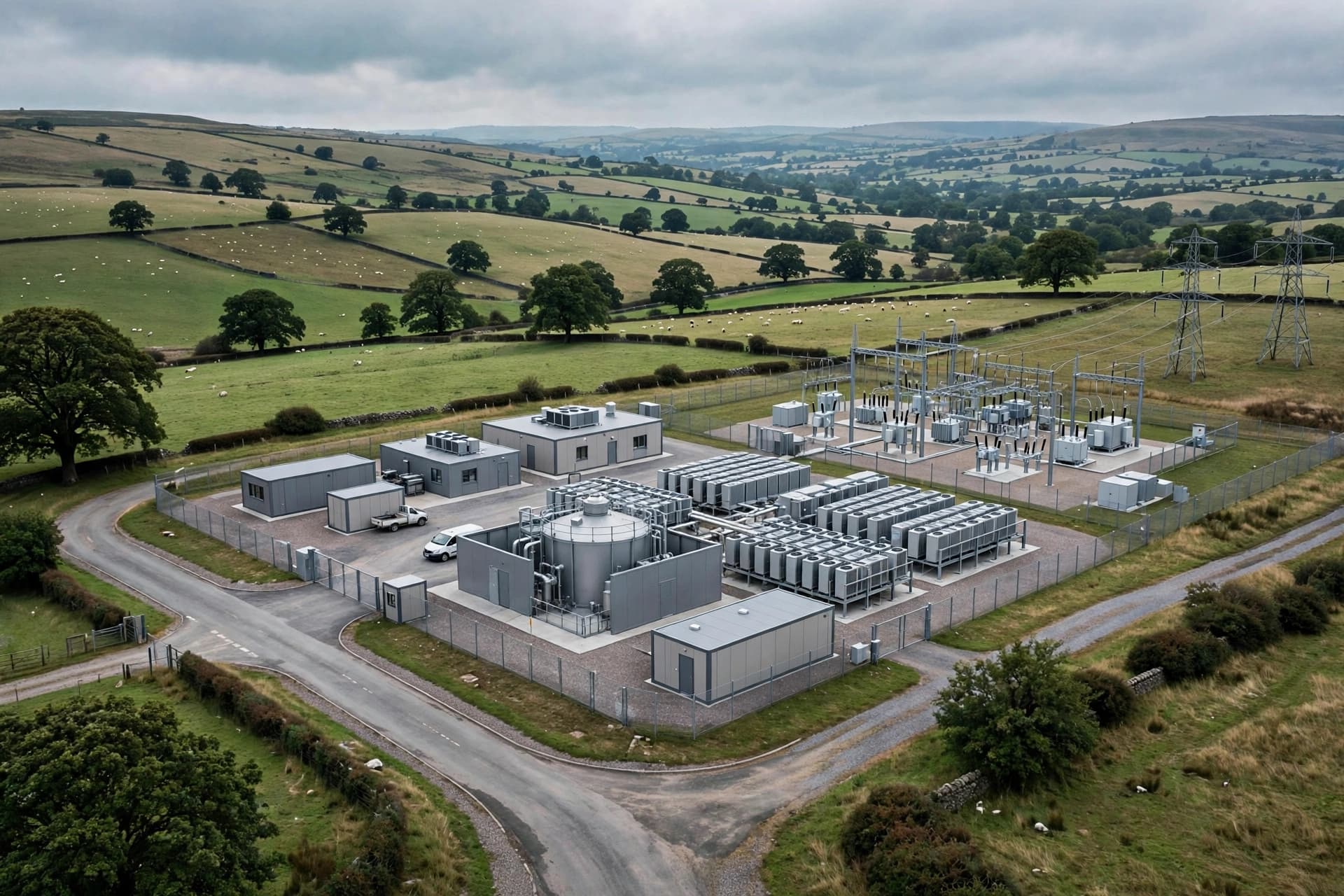
Holtec's SMR-300 is one of the technologies that could benefit from this regulatory shift. The company has announced plans to pursue a project involving up to four units at Cottam in England, showcasing how international regulatory cooperation could facilitate the development of cross-border nuclear projects. However, it is essential to note that a proposed installation does not equate to an approved or operational power station.
The UK government has set an ambitious target to increase its nuclear generating capacity to 24 gigawatts by 2050, a significant increase compared to current levels. This goal reflects a broader strategy to enhance energy security and ensure a reliable electricity supply amid changing demand patterns. Nuclear energy is expected to play a crucial role alongside renewable sources in achieving this objective.
Despite the regulatory advancements, challenges remain. Nuclear projects require extensive engineering, careful site selection, skilled personnel, and long-term maintenance plans, as well as strategies for managing radioactive waste. Delays can still occur even after design assessments are completed, particularly when it comes to financing, construction logistics, or supply chain issues.
As the UK navigates these regulatory reforms, the effectiveness of the new framework in facilitating faster construction and reducing project costs will become clearer. The evolving landscape of nuclear energy regulation in Britain presents both opportunities and challenges for developers, and the coming years will be critical in determining the future of nuclear power in the UK and its role in the global energy market.
Published by Banx Network. This article is part of the Banx decentralized media programme, powered by the BXE token on the XRP Ledger.