
Key Highlights
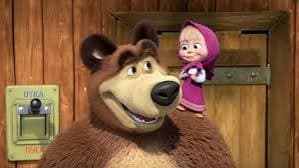
- UK MPs have urged the government to investigate the removal of 'Masha and the Bear' from streaming services.
- Concerns center around the show's potential use as a vehicle for Russian propaganda.
- Animaccord, the studio behind the cartoon, denies the allegations, claiming the series promotes friendship and kindness.
A cross-party group of UK Members of Parliament (MPs) has formally requested that the government assess the implications of the Russian animated series 'Masha and the Bear' remaining available on streaming platforms. In a letter addressed to Culture Secretary Lisa Nandy, the MPs expressed their apprehensions that the show could serve as a conduit for Russian “soft power” and propaganda, particularly in light of the ongoing geopolitical tensions following the invasion of Ukraine.
The MPs highlighted specific scenes from the series that they argue contain Soviet or military-style imagery. They pointed out instances where the character Masha is depicted wearing a tank-crew style helmet and other uniforms that resemble Soviet border aesthetics. The lawmakers contend that such visuals are inappropriate for a young audience and could inadvertently normalize militaristic themes among children.
The letter emphasizes the show's continued presence on major streaming platforms, including Netflix and ITVX, where it has reportedly secured renewals for additional seasons. The MPs argue that children have unrestricted access to content that they believe has not undergone adequate scrutiny for its potential influence.
In response to the allegations, Animaccord, the studio responsible for 'Masha and the Bear,' has categorically rejected the claims of propaganda. The studio asserts that the series is purely entertainment, focusing on themes of friendship, kindness, and imagination, and has never received any state funding. They describe the accusations as false and defamatory, aimed at undermining the show's reputation.
This controversy is part of a broader discussion regarding Russian cultural exports in the West, particularly since the onset of the war in Ukraine. UK officials have noted that the responsibility for the content available on streaming platforms typically lies with the broadcasters, who must adhere to regulatory requirements. As the debate continues, the implications of cultural programming in the context of international relations remain a significant concern for policymakers.
As the situation evolves, it remains to be seen how the government will respond to the MPs' request and whether any action will be taken regarding the availability of 'Masha and the Bear' on UK streaming services. The outcome could set a precedent for how cultural content from countries involved in geopolitical conflicts is managed in the future.
Published by Banx Network. This article is part of the Banx decentralized media programme, powered by the BXE token on the XRP Ledger.



