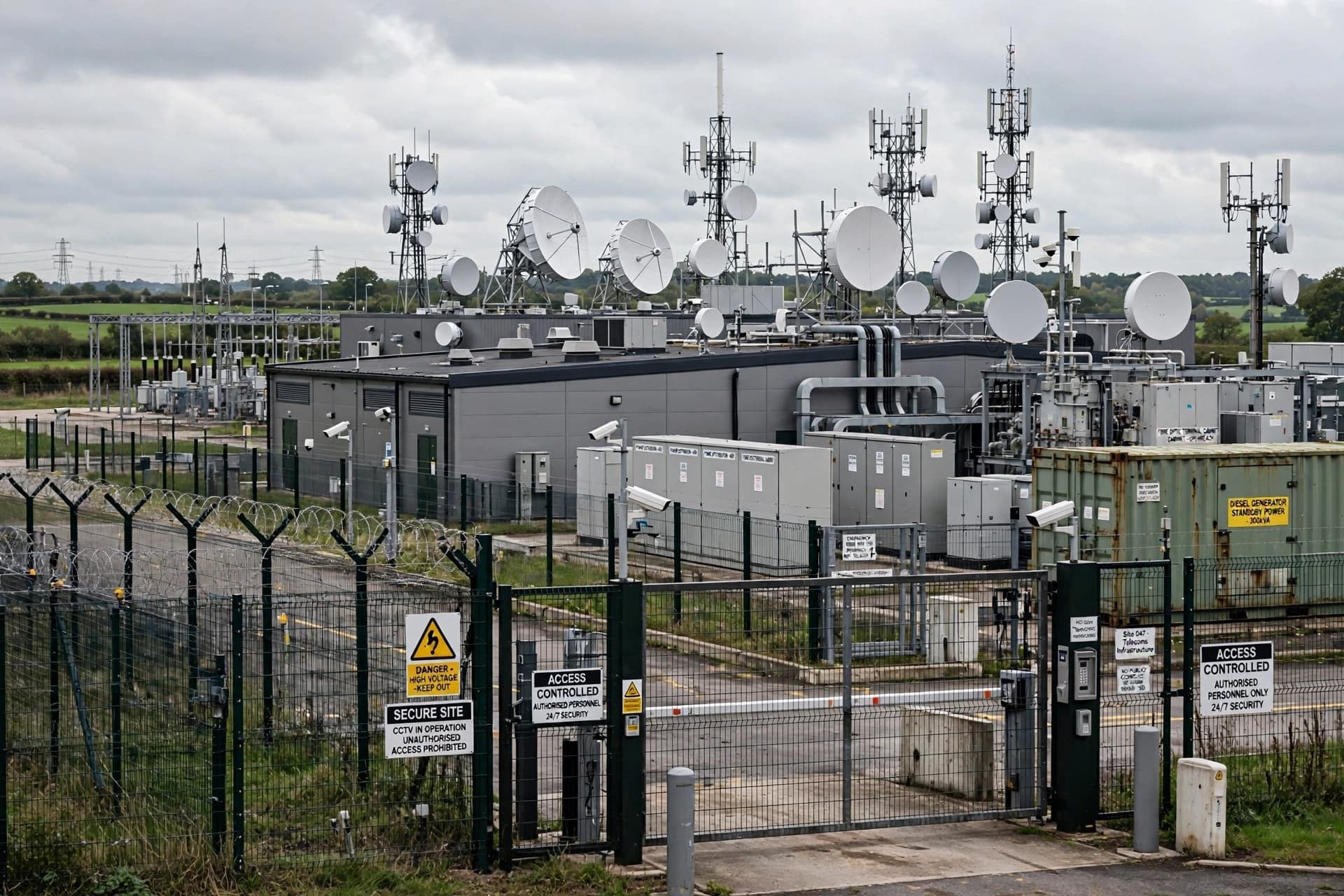
Modern infrastructure rarely exists as a collection of isolated systems. Electricity networks, communications, transport, water and other essential services depend on one another, making security increasingly a shared responsibility between government and private companies.
Britain announced plans in September 2026 to brief defence companies and providers of critical national infrastructure about threats associated with Russia, according to Reuters. The government said the move comes amid concerns about possible sabotage operations and cyberattacks affecting important systems.
Security Minister Dan Jarvis is due to brief industry bodies representing national infrastructure providers, while Armed Forces Minister Louise Sandher-Jones is expected to meet representatives from defence companies. The meetings are intended to give businesses a clearer understanding of the risks being discussed by British security and defence authorities.
The focus on private-sector operators reflects the structure of Britain's infrastructure. Many services essential to daily life are operated or maintained by commercial organizations, meaning resilience depends not only on government preparedness but also on the ability of companies to identify vulnerabilities and maintain continuity.
The British government has described Russia as an enduring and significant threat to the United Kingdom and its interests. Reuters also reported that Russian officials rejected statements by British leadership concerning Russian activities, describing them as contributing to anti-Russian sentiment.
Cybersecurity is an important part of the discussion because the growing connectivity of infrastructure creates new pathways through which disruption could spread. Energy companies, telecommunications networks and other operators increasingly rely on digital systems, making protection of those systems a continuing operational requirement.
Earlier British government guidance on critical national infrastructure has also emphasized cooperation between government and industry. A telecommunications charter, for example, outlines measures intended to preserve connectivity and resilience for critical infrastructure customers during network modernization.
The broader challenge is that resilience is rarely visible when everything is working normally. A functioning power network, communications system or water service can appear ordinary, but behind it sits a network of physical equipment, software, workers and suppliers that must continue operating under difficult circumstances.
For businesses, preparation can therefore involve more than protecting individual buildings or computer systems. It can include contingency planning, communication between operators, monitoring of supply chains and coordination with public authorities when risks change.
Britain's planned briefings are one part of that larger effort. They place security discussions closer to the companies responsible for keeping essential systems running, reflecting an environment in which physical and digital risks increasingly overlap.
The practical measure of such preparation will ultimately be found in continuity: whether essential services can continue operating when unexpected pressure arrives. For infrastructure that supports millions of people every day, resilience is often measured most clearly when nobody notices that it is being tested.
Image Disclaimer: The illustrations described below are conceptual visualizations created for editorial purposes and do not depict actual security meetings or incidents.
Sources: Reuters; UK Government; Cabinet Office.
Published by Banx Network. This article is part of the Banx decentralized media programme, powered by the BXE token on the XRP Ledger.


.jpg&w=3840&q=75 "Tennessee to Execute a Woman for First Time in 200 Years After Governor Denies Clemency")