
Key Highlights
- Contract Value:£4.6 billion awarded to Edgewing for GCAP.
- Funding Commitment:UK pledges £8.6 billion over four years.
- Operational Goal:Sixth-generation fighter expected by 2035.
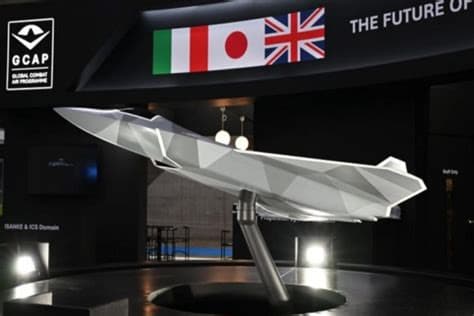
Britain, Italy, and Japan have officially awarded a £4.6 billion contract to Edgewing, the joint venture prime contractor for the Global Combat Air Programme (GCAP). This significant investment marks a crucial step in the development of a next-generation stealth fighter, which is expected to enhance the defense capabilities of the three nations involved.
The UK government announced that this contract is a vital advancement for the GCAP, especially following delays attributed to pressures on the UK defense budget. The commitment from the UK government includes a broader funding initiative, pledging a total of £8.6 billion over the next four years to support the program. This financial backing underscores the importance of the GCAP in the context of modern defense strategies and international collaboration.
Key industrial partners in the GCAP include BAE Systems from the UK, Leonardo from Italy, and Mitsubishi Heavy Industries from Japan. Edgewing, which is jointly owned by these companies, serves as the overall contractor and design authority for the project. The governance of the program is primarily centered in the UK, reflecting the nation's leading role in this multinational defense initiative.
The GCAP, known as Tempest in the UK, aims to deliver a sixth-generation stealth fighter by 2035. This ambitious program is designed not only to advance technological capabilities but also to share development and production costs among the partner nations. Officials have indicated that the project may be opened to additional international partners in the future, contingent upon agreements among the founding members.
The collaboration between these three nations represents a significant shift in defense strategy, emphasizing the need for advanced capabilities in an increasingly complex global security environment. As nations face evolving threats, the development of the GCAP is seen as a proactive measure to ensure air superiority and technological advancement in military aviation.
In conclusion, the awarding of this contract is a pivotal moment for the GCAP, setting the stage for future developments in defense technology and international cooperation. The successful execution of this program could redefine the landscape of aerial combat and defense partnerships in the coming decades.
Published by Banx Network. This article is part of the Banx decentralized media programme, powered by the BXE token on the XRP Ledger.



