In the quiet corridors of British justice, a long shadow from Central Africa has finally found its way into the light. For decades, the atrocities of the 1994 Rwandan genocide have haunted the global conscience, a tragedy that claimed nearly a million lives in just one hundred days. Now, for the first time, prosecutors in the United Kingdom have charged an individual with crimes related to those events. This landmark legal action marks a significant moment in the pursuit of universal justice, demonstrating that time and distance do not erase accountability. It is a testament to the enduring power of memory and the rule of law.
The accused, whose identity has been released in accordance with legal protocols, faces charges of genocide and conspiracy to commit genocide. The case relies on extensive evidence gathered over many years by international investigators and human rights organizations. These efforts have involved meticulous documentation, witness testimonies, and forensic analysis, piecing together a narrative of horror that transcends borders. The decision to prosecute in the UK underscores the principle that certain crimes are so heinous they concern all of humanity.
For the survivors of the genocide, this development brings a complex mix of emotions. There is hope that justice, however delayed, is finally being served. Yet, there is also the pain of reliving traumatic memories as the legal process unfolds. The courtroom becomes a space where history is revisited, not to reopen wounds, but to acknowledge them formally. It is a step toward healing, though the path remains long and arduous. Truth is a necessary companion to reconciliation.
The legal framework allowing such prosecutions is rooted in international law and domestic statutes that recognize universal jurisdiction. This principle holds that some crimes, such as genocide, war crimes, and crimes against humanity, are so grave that any nation can prosecute the perpetrators, regardless of where the crimes were committed. The UK’s involvement highlights its commitment to these global standards. It sends a clear message that there is no safe haven for those who commit such acts.
Critics and supporters alike watch the case closely, aware of its precedent-setting nature. Some question the feasibility of prosecuting events that occurred decades ago, citing challenges in evidence preservation and witness availability. Others argue that it is never too late for justice. The legal team faces the daunting task of proving intent and participation beyond a reasonable doubt, a high bar in any criminal trial. The stakes are immense, both legally and morally.
Community reactions in the UK’s Rwandan diaspora have been profound. For many, seeing the case move forward validates their long-standing calls for accountability. It reinforces the idea that their suffering is recognized and respected by the wider society. Community leaders have urged patience and trust in the judicial process, emphasizing the importance of due process. Solidarity provides strength in times of uncertainty.
International observers note that this case could inspire similar actions in other countries. As global awareness of historical injustices grows, so does the willingness of nations to address them. The fight against impunity is a collective effort, requiring cooperation across legal systems and cultures. Each successful prosecution strengthens the global norm against genocide. It is a slow but steady march toward a more just world.
In the end, the charging of the first person in the UK for the Rwanda genocide is a historic milestone. It reminds us that justice may be delayed, but it is not denied. As the trial approaches, the focus shifts to the details of the case and the voices of those affected. The outcome will resonate far beyond the courtroom, offering a lesson in accountability and human rights. History is watching, and it demands truth.
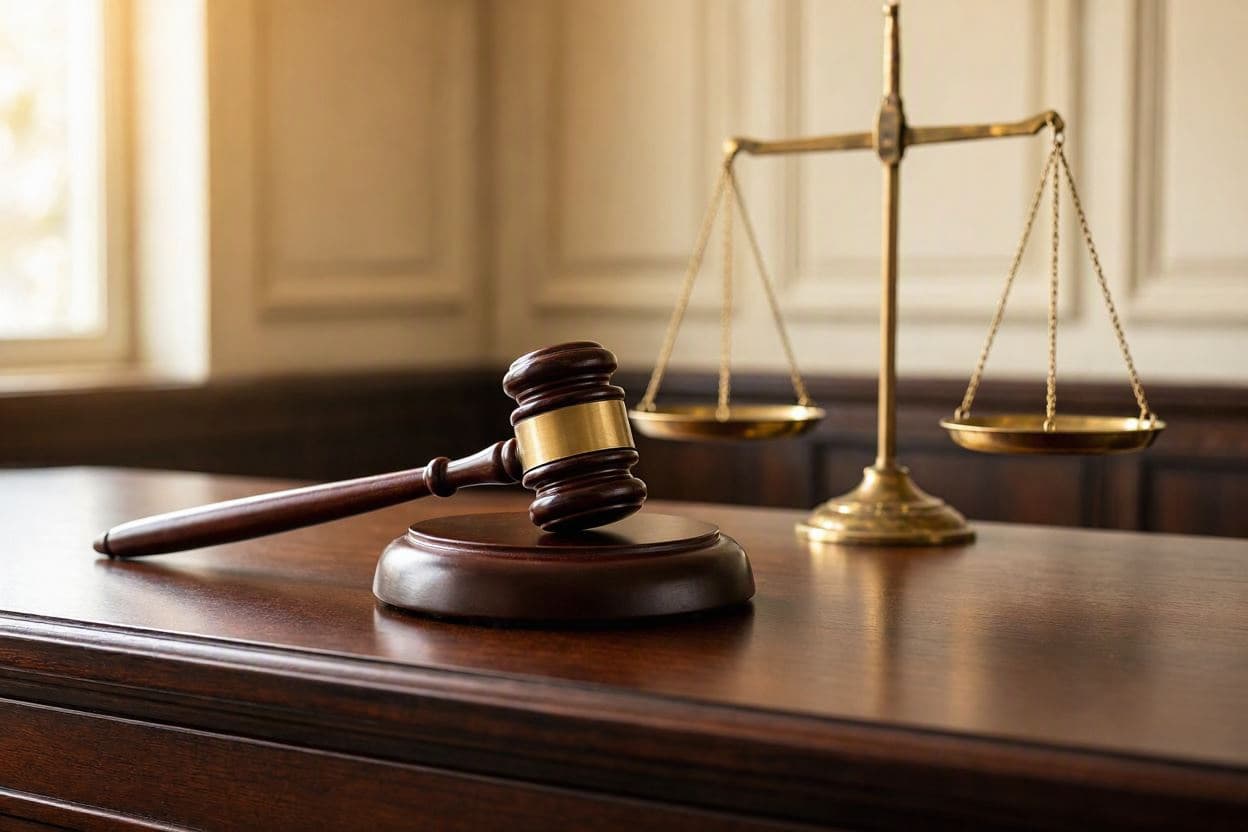
AI Image Disclaimer: The visual representations included here are AI-generated illustrations designed to depict legal themes and symbols of justice, not actual photographs of the accused, the courtroom, or specific events in Rwanda.
Sources: BBC News The Guardian Reuters
Published by Banx Network. This article is part of the Banx decentralized media programme, powered by the BXE token on the XRP Ledger.