
Key Highlights
- UK ministers assert legal authority to stop shadow fleet tankers.
- Shadow fleets transport Russian oil, undermining sanctions.
- Government aims to enhance enforcement of international trade restrictions.
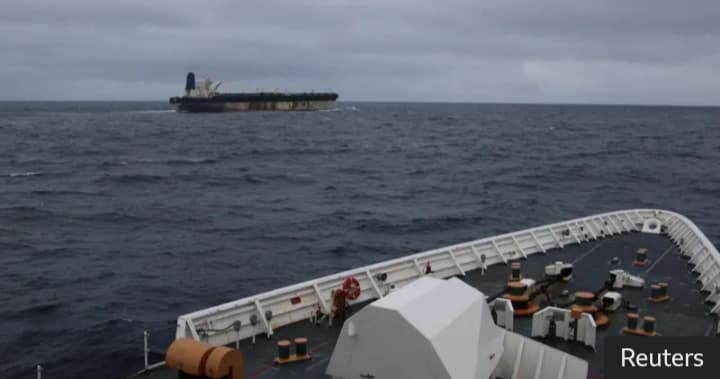
UK ministers have conveyed their belief that the government is legally empowered to stop "shadow fleet" tankers operating under the radar to transport Russian oil. These vessels, often registered under different flags to obscure their true ownership and activities, have become a focal point in the UK's strategy to combat illegal oil trade and enforce sanctions imposed on Russia.
The assertion of legal authority to intercept these tankers aligns with the UK government's broader commitment to uphold international sanctions and prevent the circumvention of trade restrictions aimed at Russia in response to its actions in Ukraine. Officials emphasize the importance of maintaining the integrity of international law while addressing the threats posed by these shadow fleets.
Recent reports suggest that criminal networks have exploited loopholes to facilitate the shipment of Russian oil, undermining the efficacy of sanctions. By targeting these vessels, the UK aims to diminish the financial resources available to the Russian government, thereby exerting pressure in the ongoing conflict. The UK’s approach reflects a growing concern over the effectiveness of existing sanctions and the need for more robust enforcement mechanisms.
The government's stance has garnered support from various sectors, as advocates for stronger enforcement measures argue that decisive action is essential in holding violators accountable and deterring future misconduct. However, the decision to intercept vessels also raises discussions about maritime safety, potential diplomatic ramifications, and the need for collaboration with international partners. Critics warn that aggressive enforcement could lead to unintended consequences, including escalating tensions at sea.
As the UK considers its next steps, the legal framework for these interventions will be scrutinized to ensure compliance with both domestic and international laws. Legal experts suggest that while the UK may have grounds to act, the complexities of international maritime law could complicate enforcement efforts. The situation continues to evolve, highlighting the challenges of navigating sanctions enforcement in a dynamic geopolitical landscape.
Should the UK proceed with these interventions, it could set a precedent for how other nations approach similar challenges, reinforcing the global commitment to uphold sanctions against aggressor states. The implications of intercepting shadow fleet tankers extend beyond immediate enforcement actions, touching upon broader themes of international security and cooperation. As the UK navigates this critical juncture, the outcomes of these decisions will likely influence future international maritime policies and the effectiveness of sanctions worldwide.
Published by Banx Network. This article is part of the Banx decentralized media programme, powered by the BXE token on the XRP Ledger.



