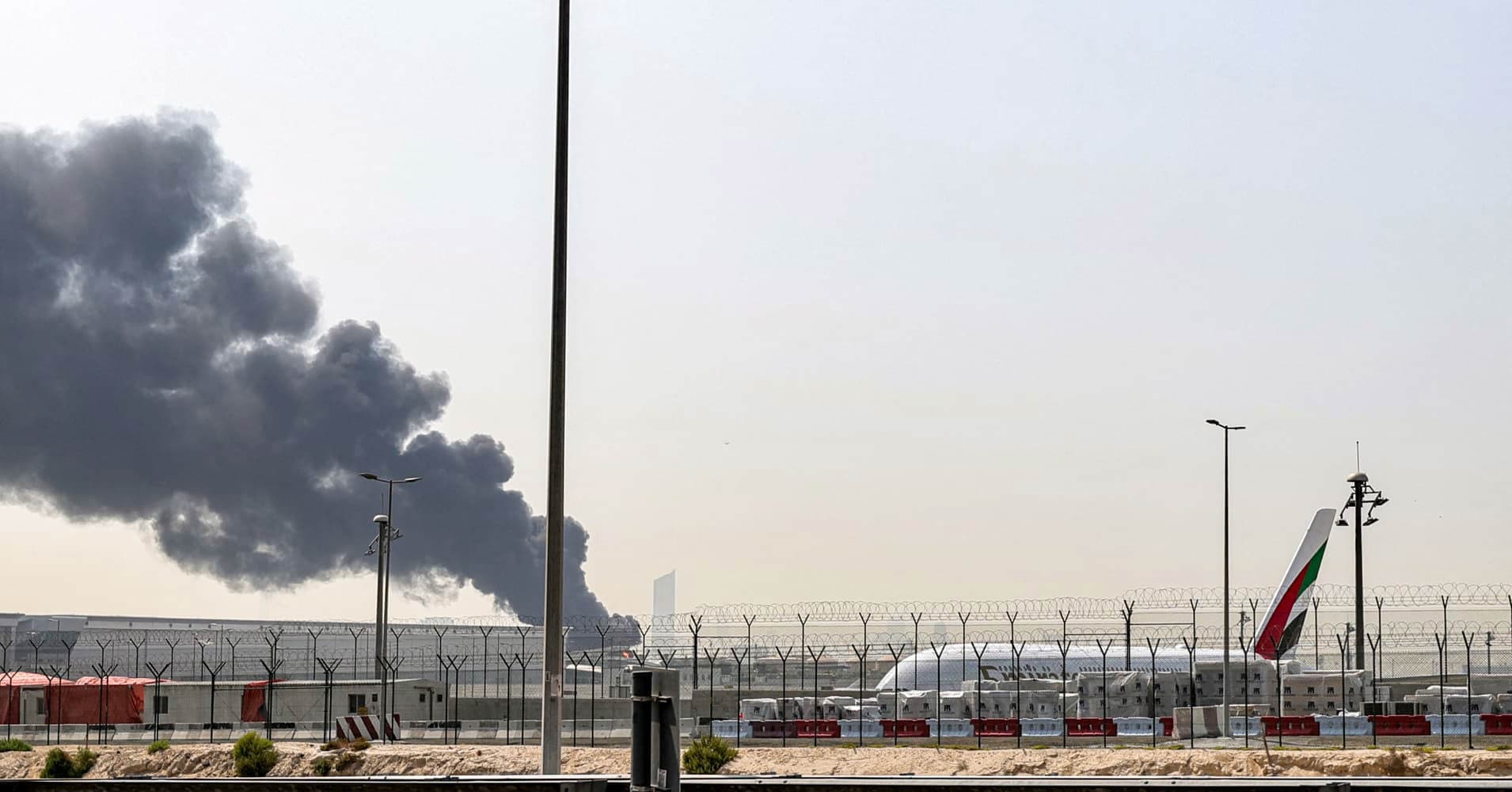
In light of escalating tensions from ongoing conflicts in the Middle East, the United Arab Emirates (UAE) has announced a temporary closure of its airspace. This unprecedented move is aimed at ensuring national security and protecting air traffic amid rising threats associated with regional warfare.
The closure has resulted in widespread disruptions to flight schedules, impacting numerous airlines that operate within or through the UAE. Both commercial flights and cargo operations have been affected, leading to delays and cancellations across various routes. Travelers are being advised to stay informed about their flight statuses and to consider alternate travel arrangements.
Authorities have cited the need for heightened vigilance as the primary reason for the airspace closure, reflecting growing concerns about regional stability and safety. While the UAE remains a crucial hub for international travel and trade, the unpredictable nature of the current conflicts necessitates stringent safety measures to protect passengers and crew members.
Airline operators are working closely with authorities to adapt to the changing situation, and many are implementing contingency plans to reroute flights around the closed airspace. Aviation experts suggest that the flow of air traffic could remain disrupted until a clearer security situation is established.
As the situation unfolds, the international community is closely monitoring developments in the Middle East, calling for diplomatic solutions and humanitarian assistance to address the underlying factors contributing to conflict in the region. The impact of this airspace closure highlights the far-reaching effects of geopolitical tensions on global travel and commerce.
Published by Banx Network. This article is part of the Banx decentralized media programme, powered by the BXE token on the XRP Ledger.