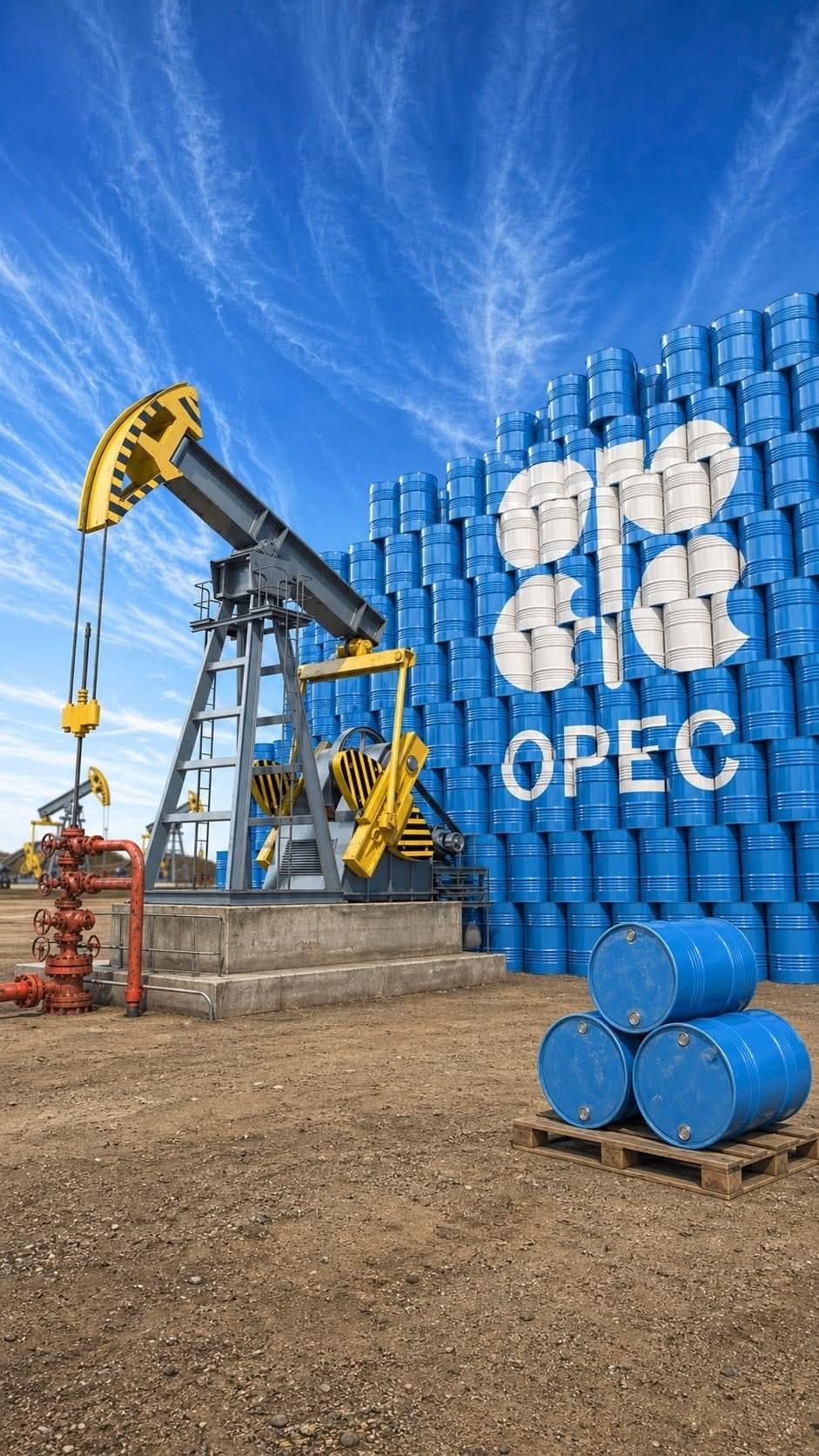
A statement shared by BRICS News claims that the Energy Minister of the United Arab Emirates described leaving OPEC as a “sovereign strategic choice.” The comments have drawn attention across energy and financial markets because the UAE remains one of the world’s major oil producers and an influential member of the oil-producing alliance. OPEC, formally known as the Organization of the Petroleum Exporting Countries, coordinates oil production policies among member states to influence global oil supply and stabilize energy markets. The organization has historically played a central role in determining production targets that can affect international oil prices, inflation, and global economic conditions. Speculation about the UAE’s long-term position within OPEC has surfaced before as the country continues expanding its production capacity and pursuing independent economic strategies. The UAE has invested heavily in energy infrastructure, global trade partnerships, renewable energy projects, and financial diversification as part of broader plans to strengthen its position in international markets. Any suggestion of a major producer reconsidering its role within OPEC can attract market attention because changes in production coordination may influence future oil supply decisions. Analysts closely monitor such developments due to their potential impact on global energy pricing and geopolitical relationships within the Middle East and international commodity markets.
Published by Banx Network. This article is part of the Banx decentralized media programme, powered by the BXE token on the XRP Ledger.