
Key Highlights
- UAE's Bold Move: The United Arab Emirates is shipping oil through the Strait of Hormuz without using location trackers.
- Security Concerns:This decision aims to enhance maritime security amid rising geopolitical tensions.
- Global Implications:The absence of tracking may complicate oil shipment monitoring and increase risks in the region.
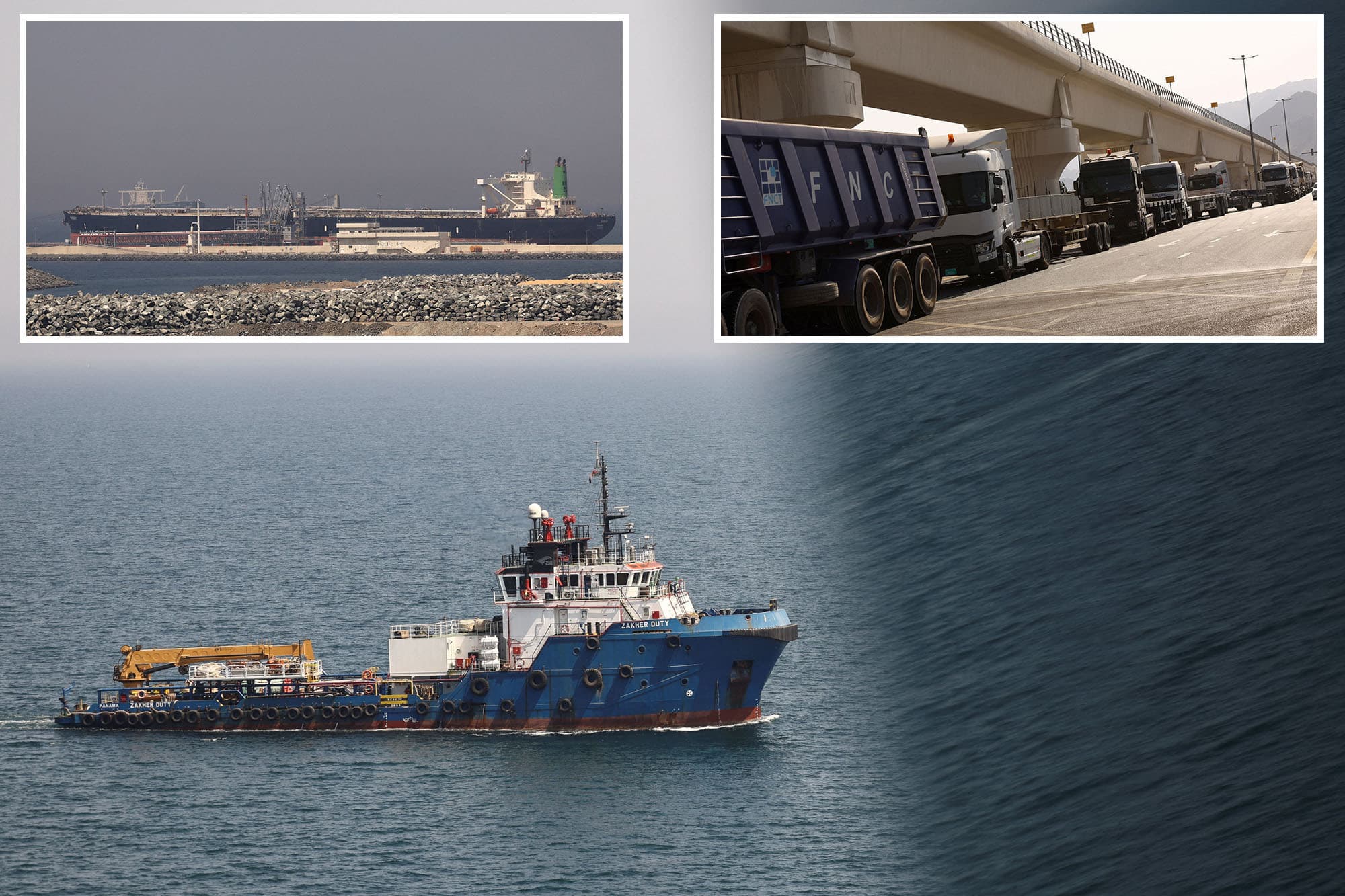
The United Arab Emirates (UAE) has recently made headlines by shipping oil through the strategically significant Strait of Hormuz without utilizing location trackers. This decision is particularly noteworthy given the Strait's role as a crucial passage for global oil shipments and its history of geopolitical tensions. The Strait of Hormuz is a narrow waterway that connects the Persian Gulf with the Gulf of Oman, and it is a vital conduit for approximately 20% of the world's oil supply.
By opting to forgo tracking devices, the UAE aims to bolster the security of its maritime operations. This move comes amid growing concerns about piracy, military threats, and escalating geopolitical risks in the region. The decision has elicited mixed reactions from various stakeholders, raising questions about transparency and the potential for accidents or confrontations at sea. Critics argue that the lack of tracking could lead to misunderstandings among nations operating in the area, potentially heightening the risk of conflict.
Experts have expressed concerns that this operational change could complicate the tracking of oil shipments, thereby increasing the likelihood of a shadow market for stolen oil. The absence of location trackers may also lead to disputes over ownership and complicate international maritime law enforcement. As the global demand for energy continues to rise, the implications of the UAE's strategy are significant, suggesting that it will evolve in response to the region's security dynamics.
The Strait of Hormuz has long been a focal point for international attention, especially given its importance to global energy supplies. The UAE's decision to ship oil without location trackers could have far-reaching consequences, not only for regional stability but also for the global oil market. As the international community closely monitors these developments, the focus will be on how this operational shift affects maritime law and the broader geopolitical landscape.
In conclusion, the UAE's approach to oil shipping through the Strait of Hormuz without location trackers represents a significant shift in operational procedure. As tensions in the Middle East continue to evolve, the implications of this decision will likely resonate beyond the waters of the Strait, impacting global energy markets and international relations.
Published by Banx Network. This article is part of the Banx decentralized media programme, powered by the BXE token on the XRP Ledger.



