
Key Highlights
- Date of Consideration:March 8, 2026, reports indicate U.S. military discussions.
- Strategic Context:Rising fears over Iran's nuclear ambitions prompt U.S. evaluation.
- International Response:Concerns grow over potential military action versus diplomacy.
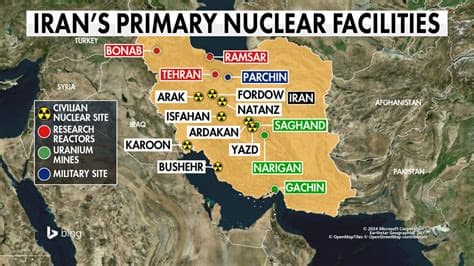
On March 8, 2026, reports emerged indicating that the U.S. is contemplating the deployment of special forces aimed at seizing Iran's nuclear stockpile. This strategic consideration arises from escalating fears regarding Iran's nuclear ambitions and the potential threat they pose to regional allies and global stability.
Officials in Washington are reportedly assessing the feasibility of such an operation, evaluating the risks and benefits involved. The discussions reflect heightened tensions and a sense of urgency as Iran continues to expand its nuclear program, despite international scrutiny and calls for compliance with existing agreements. The U.S. government is particularly concerned about the implications of Iran's advancements in nuclear technology, which could destabilize the already volatile Middle East region.
The proposed mission would involve precise intelligence-gathering and the execution of coordinated operations to secure Iran's nuclear materials. Military analysts suggest that such action would require careful planning, given the potential for significant retaliation from Iran and the risk of broader conflict in the region. The U.S. military's capability to conduct such operations has been a topic of discussion among defense experts, who emphasize the need for a well-thought-out strategy to minimize risks to personnel and regional stability.
In response, Iranian officials have issued warnings that any attempt to undermine their sovereignty would face serious consequences. The government's commitment to defending its nuclear program remains steadfast, even amidst international pressure. Iran has consistently maintained that its nuclear ambitions are peaceful and aimed at energy production, a claim that has been met with skepticism by the U.S. and its allies.
The situation is being closely monitored by the international community, which is concerned about the implications of a military approach versus diplomatic negotiations. As discussions evolve, the potential for heightened conflict remains a critical factor that could reshape U.S.-Iran relations and affect geopolitical stability in the Middle East. The balance between military readiness and diplomatic engagement will be crucial in determining the future of U.S.-Iran interactions.
In light of these developments, the U.S. administration faces a complex decision-making process that weighs national security interests against the potential for escalating military conflict. The outcome of these discussions could have far-reaching consequences not only for U.S.-Iran relations but also for the broader geopolitical landscape in the region.
Published by Banx Network. This article is part of the Banx decentralized media programme, powered by the BXE token on the XRP Ledger.



