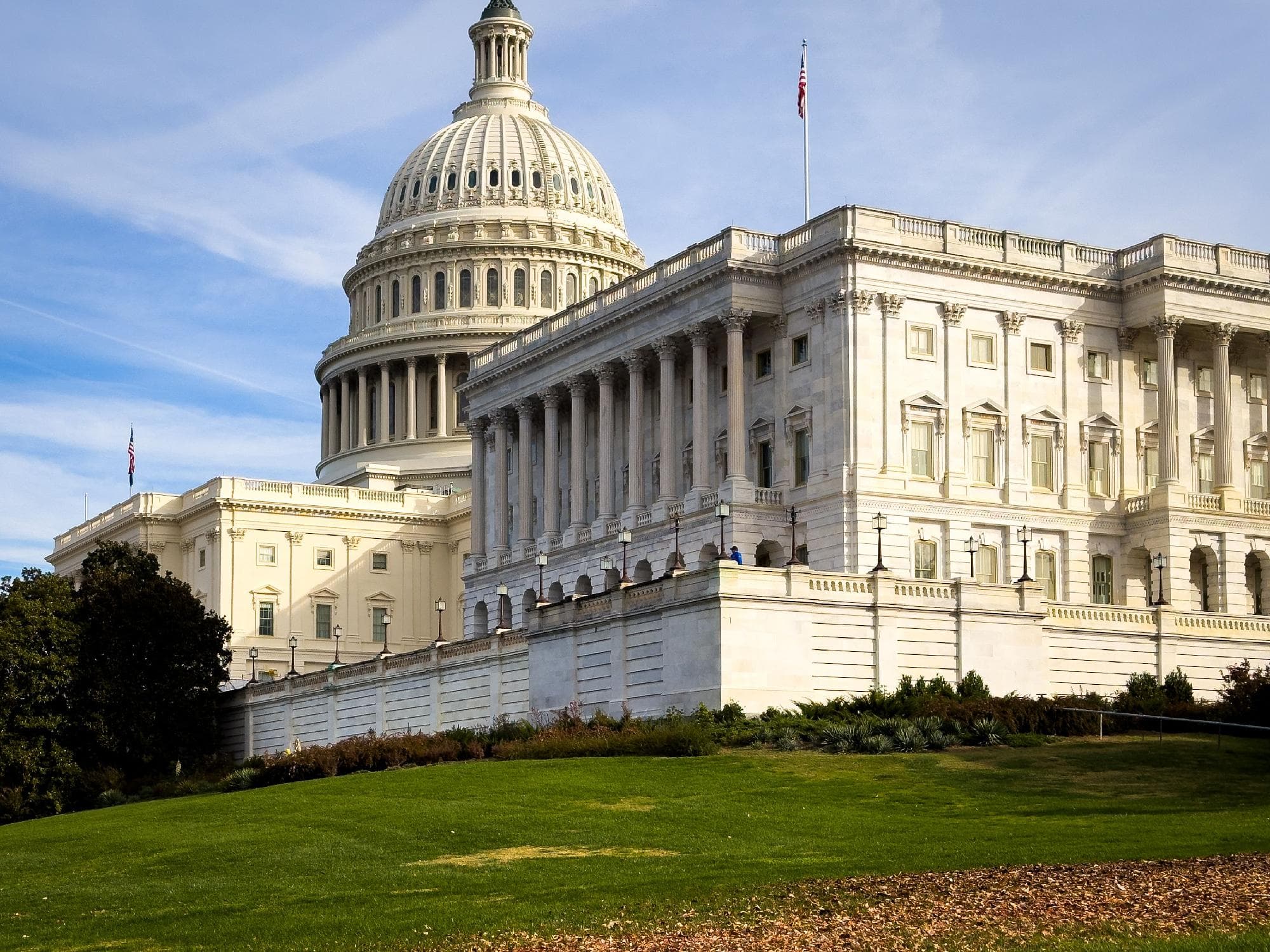
The U.S. Department of the Treasury has announced the removal of sanctions on selected individuals and entities previously connected to Iran-related restrictions. Published through the Office of Foreign Assets Control (OFAC), the update reflects the Treasury's ongoing review of sanctions programs to ensure they remain aligned with U.S. foreign policy and national security objectives. While the broader sanctions framework targeting Iran remains in place, the latest action demonstrates that sanctions lists are dynamic and subject to periodic revision when legal, diplomatic, or administrative circumstances change. OFAC regularly updates its sanctions databases by adding or removing individuals, companies, vessels, and organizations based on changing evidence, compliance reviews, legal rulings, or government policy decisions. Businesses operating internationally are expected to monitor these updates closely to ensure they remain compliant with U.S. regulations. Financial institutions, payment providers, insurers, shipping companies, and multinational corporations rely on OFAC's publications to screen transactions and avoid prohibited dealings. The removal of sanctioned parties does not represent a comprehensive easing of U.S. sanctions on Iran. Most restrictions affecting trade, banking, energy, and financial transactions remain fully enforceable. Instead, the latest update applies only to specific listings that have been reviewed and determined no longer to require sanctions under current regulations. For global financial institutions, sanctions compliance remains one of the most important operational responsibilities. Banks use sophisticated screening systems to monitor customers, counterparties, and cross-border transactions against OFAC's Specially Designated Nationals (SDN) list. Any change to these lists requires institutions to update compliance systems promptly to avoid unnecessary restrictions or regulatory violations. International businesses also pay close attention to sanctions updates because they directly influence commercial relationships, investment decisions, supply chains, and shipping routes. Companies engaged in international trade must regularly review counterparties to ensure compliance with evolving sanctions regulations issued by multiple jurisdictions. The Treasury's announcement reinforces the principle that sanctions are continually reviewed rather than remaining permanently fixed. As geopolitical conditions evolve, governments may modify restrictions to reflect changing diplomatic priorities, legal developments, or enforcement objectives. Maintaining transparent and accurate sanctions databases helps ensure regulatory certainty while supporting effective implementation of foreign policy measures. Although the latest removals affect only a limited number of listings, they serve as a reminder that sanctions compliance requires continuous monitoring and timely adaptation by financial institutions and businesses participating in international commerce.
Published by Banx Network. This article is part of the Banx decentralized media programme, powered by the BXE token on the XRP Ledger.