
Key Highlights
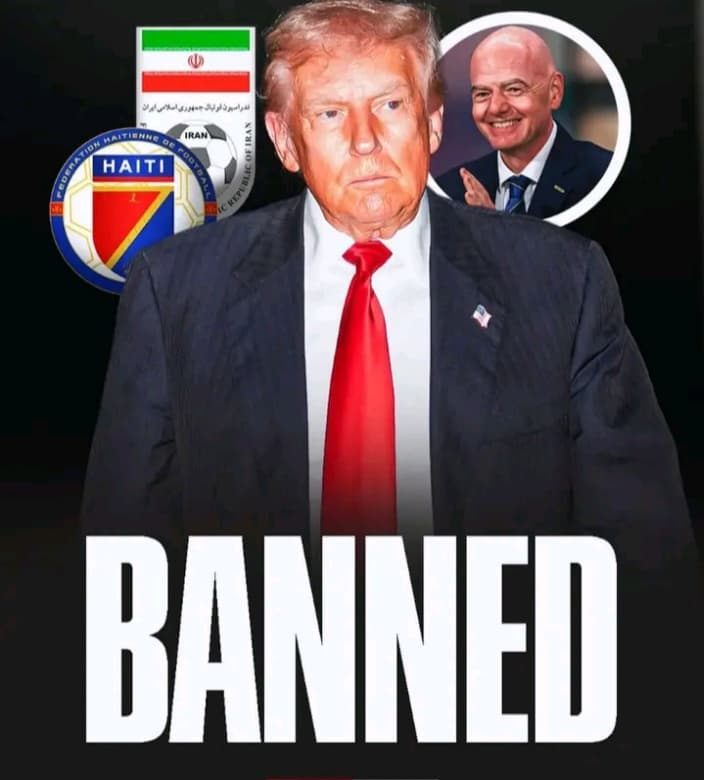
- Travel Restrictions:Fans from Iran and Haiti face entry limits.
- World Cup Participation:Only players and immediate families allowed.
- Ongoing Debate:Concerns raised about fairness and accessibility.
The U.S. government has confirmed that fans from Iran and Haiti, both of which have qualified for the 2026 World Cup, will continue to face travel restrictions that were initially imposed during the Trump administration. Under the current policy, only players, coaching staff, and immediate family members from these nations will be permitted entry into the United States during the tournament.
This decision has ignited a significant debate among soccer organizations, media outlets, and fans alike. Many are questioning the fairness of the policy, particularly in light of the global nature of the World Cup, which is designed to unite fans from around the world. Critics argue that excluding general supporters from these countries undermines the spirit of the tournament and could diminish attendance and enthusiasm.
U.S. officials have clarified that the restrictions are specifically aimed at fans and general supporters, while ensuring that athletes and essential personnel can participate without hindrance. This distinction has raised concerns about the implications for tournament attendance and the overall atmosphere of the event, as passionate fans play a crucial role in the World Cup experience.
International soccer bodies, including FIFA, have been informed of these travel restrictions and are closely monitoring the situation. They are committed to ensuring that all teams can compete without disruption, despite the challenges posed by these entry rules. The football associations of Iran and Haiti are currently exploring options to support their fans and coordinate logistics to facilitate the participation of their teams.
U.S. authorities maintain that the travel restrictions are rooted in security considerations. They emphasize that these policies do not affect the overall organization or scheduling of World Cup 2026 matches. However, the ongoing debate highlights the tension between national security measures and the inclusive spirit of international sporting events.
As the tournament approaches, the focus will remain on how these restrictions will impact fan engagement and the overall success of the World Cup in the United States. The affected countries are hopeful for a resolution that allows their supporters to join in the festivities, reflecting the unifying power of soccer on a global stage.
Published by Banx Network. This article is part of the Banx decentralized media programme, powered by the BXE token on the XRP Ledger.



