

Key Highlights
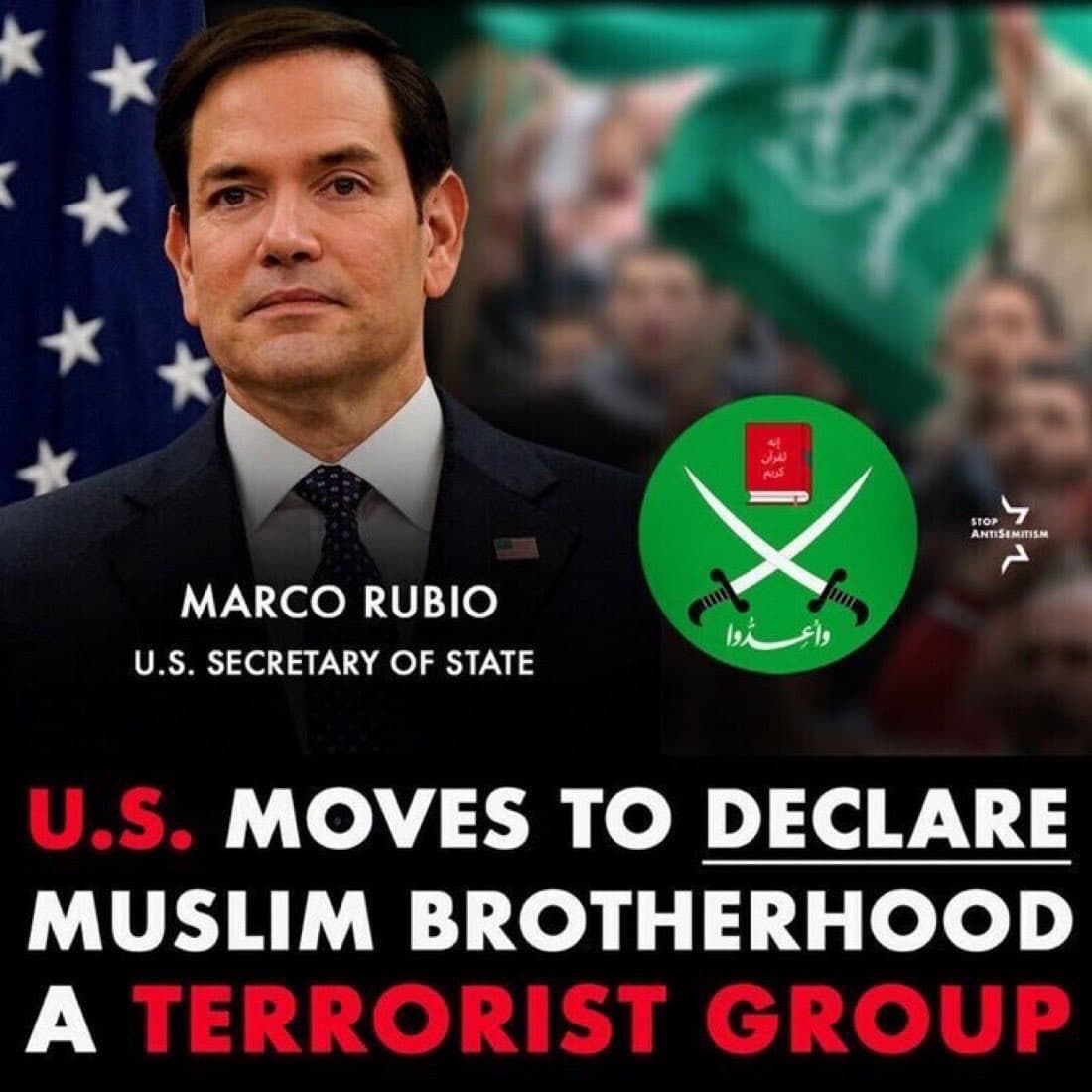
- U.S. signals intent to designate the Muslim Brotherhood as a terrorist group.
- Group founded in 1928; operates across Middle East, Africa, and parts of Europe.
- Several nations already classify it as a terrorist organization.
- U.S. designation could activate sanctions, blacklists, and legal restrictions.
- Move could shift regional alliances and global counterterrorism policy.
- Debate remains strong:supporters call it necessary, critics see geopolitical risk.
The United States is poised to make a significant geopolitical shift by formally designating the Muslim Brotherhood as a terrorist organization. This potential decision, if finalized, could have far-reaching implications for international relations, particularly in the Middle East. The announcement, which has been circulating among officials and on social media, comes amid ongoing debates about the group's influence and activities over the decades.
Founded in Egypt in 1928, the Muslim Brotherhood has been a contentious entity, often viewed through a polarized lens. Proponents argue that it serves as a socio-political movement advocating for reform based on Islamic principles. Conversely, critics assert that various branches of the organization have been linked to extremist activities, leading several countries, including Egypt, Saudi Arabia, and the United Arab Emirates, to classify it as a terrorist organization. The U.S. designation would mark a significant escalation in this narrative and could reshape diplomatic strategies.
This proposed designation reflects a broader shift in Washington's counterterrorism approach. U.S. leaders contend that the Muslim Brotherhood's extensive global network poses both ideological and security threats. Analysts warn that such a designation could lead to stringent sanctions, asset freezes, travel bans, and legal repercussions for any entities associated with the group. Furthermore, it may alter the dynamics of foreign aid, regional partnerships, and intelligence-sharing agreements with nations that oppose the Brotherhood.
However, the move is not without controversy. Experts caution that the Brotherhood's operations vary significantly across different countries. In some regions, its branches engage in democratic processes and community initiatives. Critics of the designation argue that applying a blanket label of terrorism could exacerbate tensions, hinder diplomatic negotiations, and destabilize countries where the Brotherhood plays a legitimate political role. Human rights organizations are also closely monitoring the situation, expressing concerns about the potential for misuse of such a designation by authoritarian regimes.
As global reactions unfold, it is evident that this decision could redefine security discussions, diplomatic relations, and political landscapes for years to come. The implications of labeling the Muslim Brotherhood as a terrorist organization extend beyond the immediate context, potentially influencing how nations engage with each other in an increasingly complex geopolitical environment.
Published by Banx Network. This article is part of the Banx decentralized media programme, powered by the BXE token on the XRP Ledger.




