
Key Highlights
- Supreme Court Decision:The U.S. Supreme Court approved new congressional maps for Texas on December 5, 2025.
- Electoral Fairness:The ruling aims to address concerns over gerrymandering and ensure fair representation.
- Impact on Elections:The redrawn maps are expected to influence the political landscape ahead of the 2026 elections.
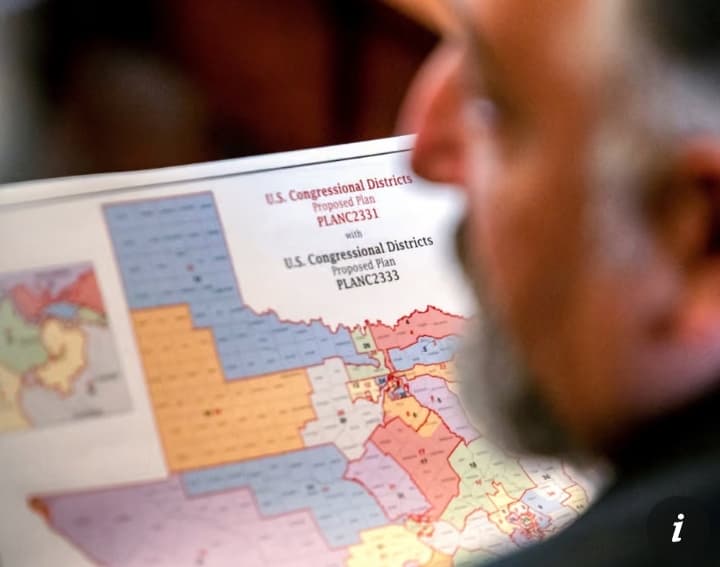
On December 5, 2025, the U.S. Supreme Court officially approved the newly redrawn congressional maps of Texas, a decision that marks a pivotal moment in the ongoing battle over electoral fairness. The maps were challenged in lower courts amid claims that prior versions favored Republican candidates in a way that diluted minority votes. This ruling is a significant step towards addressing the long-standing issues of gerrymandering that have plagued the electoral process in many states.
The Supreme Court's ruling emphasized the importance of fair representation in the electoral process, underscoring that voters should be able to choose their representatives without the manipulation of district boundaries for partisan advantage. This decision is seen as a response to increasing scrutiny regarding gerrymandering practices across the country, where the drawing of district lines has often been criticized for favoring one political party over another.
Texas, having gained additional congressional seats due to population growth, is now poised to reshape its political identity. The redrawn maps are expected to create more competitive districts, which may give both major political parties a fairer shot at elections. This shift could significantly impact the makeup of the U.S. House of Representatives, particularly as the 2026 elections draw near. The new districts are designed to reflect the demographic changes in Texas, potentially leading to a more balanced representation.
Critics of the redistricting process argue that while this decision marks progress, it does not fully eliminate the risks associated with partisan manipulation. Advocacy groups remain vigilant, continuing to push for reforms that would establish clearer guidelines for drawing congressional districts. They argue that without comprehensive reform, the potential for future gerrymandering remains a concern.
As Texas moves forward with its new congressional maps, attention will turn to how these changes will influence voter turnout, candidate campaigns, and the broader political landscape as the next elections approach. The implications of this ruling will undoubtedly resonate well beyond the Lone Star State, serving as a potential blueprint for other states grappling with similar challenges of electoral integrity. The outcome of the 2026 elections could serve as a litmus test for the effectiveness of these new maps in promoting fair representation.
Published by Banx Network. This article is part of the Banx decentralized media programme, powered by the BXE token on the XRP Ledger.



