
Key Highlights
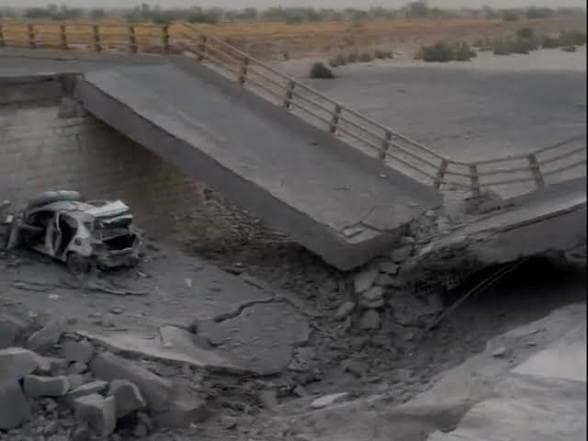
- U.S. military strikes: Recent attacks targeted bridges in southern Iran.
- Impact on shipping:Strikes have halted traffic through the vital Strait of Hormuz.
- Iranian response:Iran claims civilian infrastructure was affected and retaliated across the region.
The U.S. military has escalated its operations in the Middle East by conducting strikes on bridges and other infrastructure in southern Iran. These attacks are part of a broader strategy aimed at exerting pressure on Tehran regarding its maritime activities in the strategically significant Strait of Hormuz. U.S. officials have indicated that the targets were selected based on their role in supporting military logistics and enhancing Iran's maritime capabilities.
The strikes have raised significant concerns about the implications for civilian infrastructure. Iranian authorities have reported that the attacks have impacted non-military facilities, leading to accusations of U.S. aggression against civilian targets. This has further strained relations between the two nations, which have been tense for years due to various geopolitical conflicts.
As a result of the renewed violence, shipping traffic through the Strait of Hormuz has largely come to a standstill. This waterway is crucial for global oil transportation, and any disruption can have far-reaching consequences on international markets. The U.S. has justified its actions as necessary to ensure freedom of navigation and to counter Iranian influence in the region.
Iran's response has been swift, with officials vowing to retaliate against U.S. interests in the region. This escalation of military actions has led to fears of a broader conflict, as both nations appear to be on a collision course. The situation remains fluid, with potential for further military engagements as tensions continue to rise.
The international community is closely monitoring the developments, as the Strait of Hormuz is a critical chokepoint for oil shipments. Any sustained disruption could lead to increased oil prices and economic instability in various countries dependent on oil imports. The U.S. has reiterated its commitment to maintaining security in the region, but the effectiveness of its military strategy remains to be seen.
Published by Banx Network. This article is part of the Banx decentralized media programme, powered by the BXE token on the XRP Ledger.



