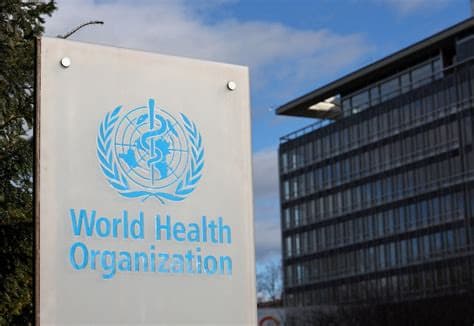
The United States has announced its intention to officially withdraw from the World Health Organization on Thursday, following a series of critiques directed at the organization, particularly regarding its handling of COVID-19 and allegations of favoritism towards China. This move has sparked significant debate about the future of international health governance, with many public health experts expressing concerns that it could undermine global efforts to combat disease and coordinate responses. Critics argue that this departure comes at a crucial time when collaboration is essential, as the lingering impacts of the pandemic continue and new infectious diseases emerge. Supporters of withdrawal argue that the US should not financially support an organization that they believe is ineffective and poorly managed. The US has been a major contributor to the WHO's budget, providing funding for various health initiatives worldwide. As the date for withdrawal approaches, the global community watches with interest to see how this change will affect global health cooperation. The US plans to explore new ways to address global health issues but the long-term consequences of this move remain uncertain. This development highlights a trend towards nationalism and distrust of international institutions, questioning the future of collaboration in a more interconnected world
Published by Banx Network. This article is part of the Banx decentralized media programme, powered by the BXE token on the XRP Ledger.