
Key Highlights
- A Chinese tanker sanctioned by the U.S. has navigated the Strait of Hormuz.
- The U.S. maintains a naval presence to enforce sanctions against Iran.
- The incident raises questions about the effectiveness of American maritime blockades.
In a significant development, a Chinese tanker sanctioned by the United States has reportedly navigated the Strait of Hormuz despite the ongoing U.S. blockade aimed at restricting Iranian oil exports. This move underscores the complexities of global maritime operations amid heightened geopolitical tensions.
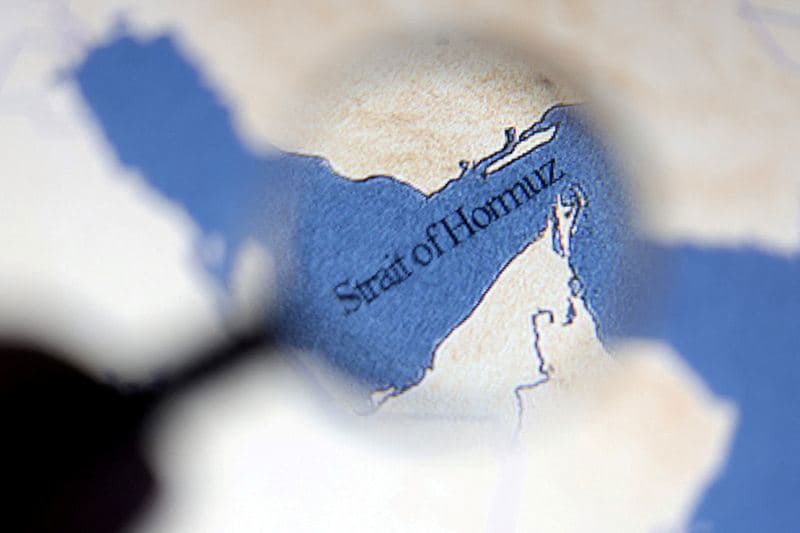
Data shows that the tanker successfully traversed the crucial shipping route, which is vital for oil transport, including supplies from Iran. The U.S. has maintained a naval presence in the region to enforce sanctions against Iran, but the successful passage of the sanctioned vessel raises questions about the effectiveness of this blockade. The Strait of Hormuz is a pivotal maritime chokepoint, with about 20% of the world's oil passing through it.
Experts suggest that the tanker’s movement may indicate a growing resilience among countries willing to defy U.S. sanctions in pursuit of economic interests, particularly in the energy sector. The U.S. government's response to the incident remains unclear, as tensions between Washington and Beijing continue to escalate. The implications of this incident could influence future diplomatic negotiations and maritime security strategies.
As the situation unfolds, observers are keenly analyzing how this development might affect relations among the U.S., China, and Iran, and what it signals for the broader global oil market. The passage of a U.S.-sanctioned vessel not only complicates the current geopolitical landscape but also poses challenges for international maritime law enforcement. The successful navigation of the tanker through the Strait of Hormuz could embolden other nations to challenge U.S. sanctions, potentially reshaping the dynamics of international trade and energy security.
The incident highlights the ongoing struggle between enforcing sanctions and the realities of global trade, where nations may prioritize economic interests over compliance with U.S. policies. As countries like China continue to engage with Iran, the effectiveness of U.S. sanctions may come under increasing scrutiny, prompting a reevaluation of strategies in dealing with non-compliant nations.
The maritime community is closely monitoring the situation, as the successful transit of the sanctioned tanker could set a precedent for future operations in contested waters. The evolving geopolitical landscape necessitates a reassessment of maritime security protocols and international cooperation to ensure the stability of critical shipping routes.
Published by Banx Network. This article is part of the Banx decentralized media programme, powered by the BXE token on the XRP Ledger.



