DECENTRALIZED MEDIA IS LIVE POWERED BY
Banx Media Platform logo
SCIENCESpaceHappening Now

U.S.-Russian Space Crew Lands Safely After Eight-Month Stint on the ISS

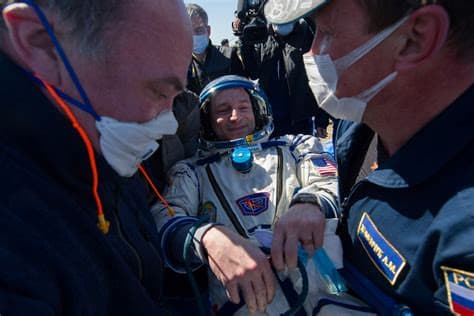
NASA astronaut Chris Williams and two Russian cosmonauts returned safely to Kazakhstan after 241 days aboard the ISS.

W

William Bills

EXPERIENCED
1 min read
16 Views
U.S.-Russian Space Crew Lands Safely After Eight-Month Stint on the ISS

A U.S.-Russian crew returned safely to Earth after an eight-month mission aboard the International Space Station. NASA astronaut Chris Williams landed alongside Russian cosmonauts Sergei Kud-Sverchkov and Sergei Mikaev in the steppes of Kazakhstan. They touched down in their Soyuz MS-28 spacecraft after 241 days in orbit, completing the mission’s first and second flights for the U.S. and Russian crewmembers, respectively. The landing was reported as smooth, and the crew will travel to their respective bases for post-mission steps.

Published by Banx Network. This article is part of the Banx decentralized media programme, powered by the BXE token on the XRP Ledger.


Decentralized Media

Powered by the XRP Ledger & BXE Token

This article is part of the XRP Ledger decentralized media ecosystem. Become an author, publish original content, and earn rewards through the BXE token.

Newsletter

Stay ahead of the news — and win free BXE every week

Subscribe for the latest news headlines and get automatically entered into our weekly BXE token giveaway.

No spam. Unsubscribe anytime.

Share this story

Help others stay informed about crypto news

Related articles

Keep exploring the latest stories.

View more
When the Aurora Reaches South: A Forecast for the Curious

When the Aurora Reaches South: A Forecast for the Curious

NOAA forecasts a Kp 4 geomagnetic storm Tuesday, potentially making the aurora visible from nine northern U.S. states including Washington, Montana, North Dako…

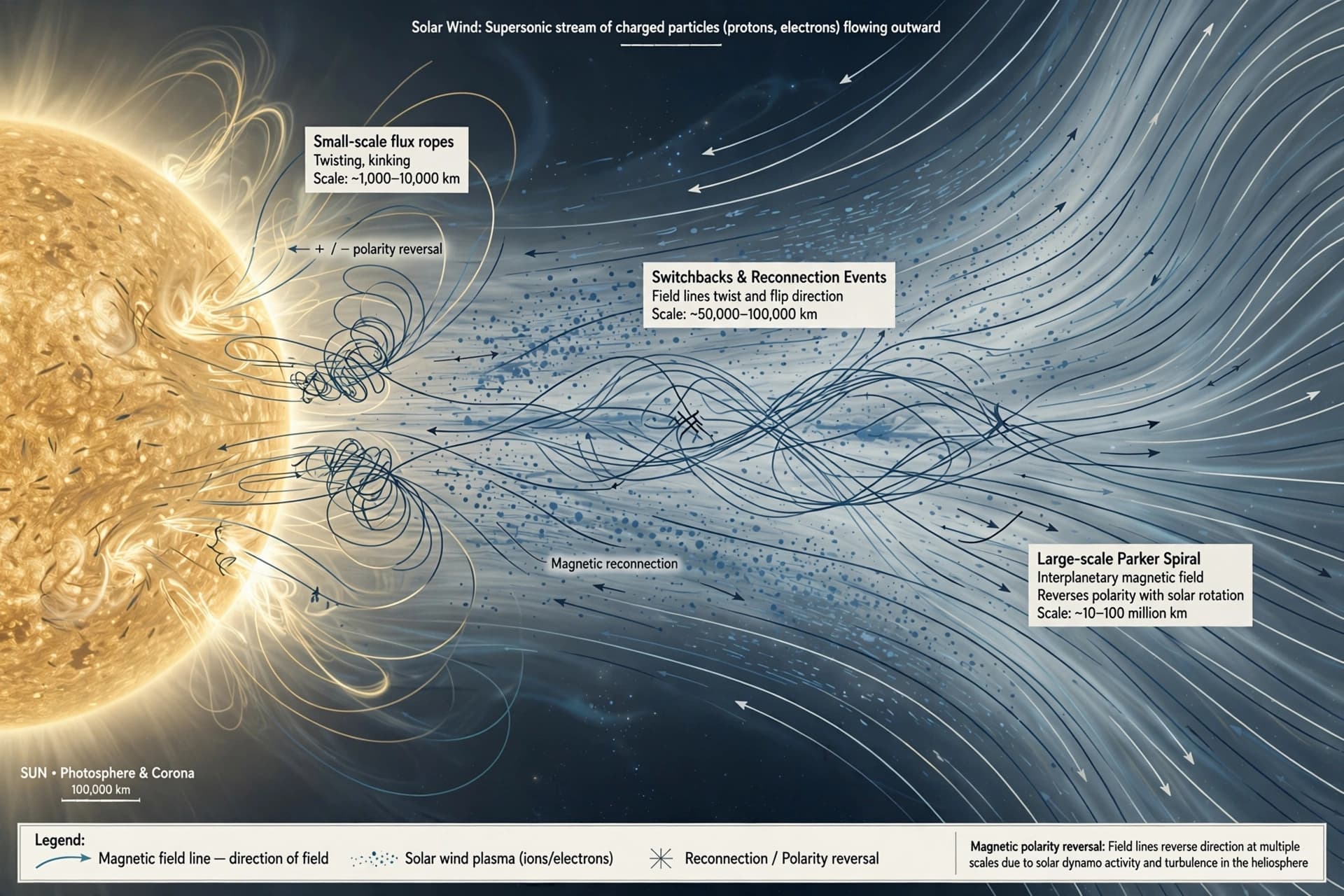
A Reversal in the Noise: What Parker Solar Probe Revealed

A Reversal in the Noise: What Parker Solar Probe Revealed

An international team discovered a magnetic field rotation reversal in solar wind turbulence, where fields rotate counterclockwise at large scales and clockwis…

Superhabitable Worlds: The Planets Better Than Ours

Superhabitable Worlds: The Planets Better Than Ours

Astrobiologists propose that superhabitable worlds—larger, warmer, older planets orbiting stable K-dwarf stars—may be more suitable for complex life than Earth…