
Key Highlights
- Date of Incident:May 4, 2026, marked by Iranian missile and drone attacks.
- Targeted Vessels:U.S. ships, including the U.S.S. Abraham Lincoln, were targeted but unharmed.
- U.S. Response: Increased military presence and Operation Project Freedom initiated to ensure maritime safety.
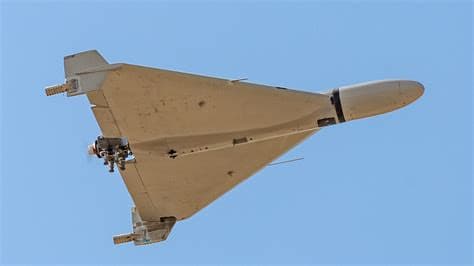
On May 4, 2026, U.S. Central Command (CENTCOM) reported that Iran launched missile and drone attacks aimed at American ships operating near the strategically vital Strait of Hormuz. Despite the aggressive actions from Tehran, U.S. officials confirmed that none of the vessels were struck, highlighting a significant moment in the ongoing tensions in the region.
The attacks were characterized by multiple projectiles fired from Iranian positions, with the U.S.S. Abraham Lincoln aircraft carrier being one of the primary targets. CENTCOM reassured that the carrier remained fully operational and suffered no damage, underscoring the effectiveness of U.S. defensive measures in the face of Iranian aggression.
This escalation in hostilities comes amid a backdrop of heightened military engagement in the region, particularly related to U.S. support for the United Arab Emirates in its ongoing conflict with Iran. Over the past few months, there have been numerous hostile incidents, prompting the U.S. to bolster its military presence in the area. As part of this strategy, Operation Project Freedom has been initiated, aimed at guiding commercial vessels safely through the Strait of Hormuz, a critical maritime corridor for global oil and trade.
In response to the Iranian missile and drone attacks, President Trump issued a statement emphasizing that the U.S. would not tolerate threats to its maritime interests. He indicated that the U.S. is prepared to respond decisively to any hostile actions, reinforcing the commitment to deter Iranian provocations in the region. This stance is particularly important as the Strait of Hormuz remains a vital route for oil shipments, with a significant percentage of the world’s oil passing through this narrow waterway.
As the situation continues to evolve, military analysts and regional observers are closely monitoring the potential for further escalation and its implications for stability in the Middle East. U.S. officials are actively assessing the security threats posed by Iran while also working to reassure allies and commercial shipping interests navigating this crucial maritime corridor.
The ongoing tensions between the U.S. and Iran highlight the fragile nature of security in the region, with both sides remaining on high alert. The international community is watching closely as diplomatic efforts to de-escalate the situation continue to unfold, amidst fears of a broader conflict that could disrupt global trade and energy supplies.
Published by Banx Network. This article is part of the Banx decentralized media programme, powered by the BXE token on the XRP Ledger.



