
Key Highlights
- Agreement:The U.S. has released the full text of the Trilateral Framework signed with Lebanon and Israel.
- Objectives:The framework aims to establish a phased political and security process to end conflict and restore peace.
- Implementation:It includes provisions for disarmament of non-state armed groups, particularly Hezbollah.
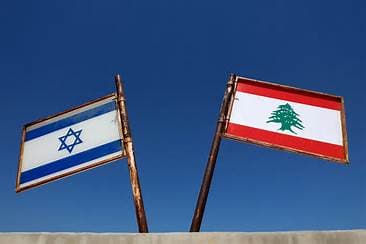
The United States has officially published the complete text of the Trilateral Framework signed with Lebanon and Israel, a significant step towards establishing a structured approach to peace in the region. This framework outlines a phased political and security process designed to end ongoing conflicts and create conditions conducive to lasting peace. The agreement is framed as a “sovereignty-for-security” arrangement, emphasizing the need for Lebanon to restore effective state authority across its territory.
Central to the framework is the disarmament of non-state armed groups, with a particular focus on Hezbollah. The agreement stipulates that Lebanon must engage in a verified disarmament process, which is linked to Israel's gradual redeployment from Lebanese territory. This redeployment is contingent upon the removal of relevant threats, thereby establishing a reciprocal relationship between the two nations.
The document further outlines follow-on steps aimed at drafting a comprehensive peace and security agreement. This will involve the formation of working groups and the establishment of continuous direct engagement channels, facilitated by the United States. A U.S.-facilitated oversight mechanism is also included, which will manage compliance, verification, and coordination between the involved parties. This military coordination group for Lebanon is intended to ensure that all parties adhere to the terms of the agreement.
In a statement accompanying the release of the framework, U.S. officials characterized the agreement as a major milestone in a broader regional peace effort. They assert that the framework provides a structured pathway to disarm Hezbollah and dismantle its terrorist infrastructure, while also enabling Israel to return to its borders once the threat to its citizens is adequately addressed. The U.S. statement also highlights commitments for humanitarian assistance and support aimed at enhancing the capacity of Lebanon’s armed forces to reassert sovereignty over its territory.
Reports surrounding the signing of the agreement indicate that its initial elements involve Lebanese forces taking control of specific areas currently occupied, alongside a verified disarmament process that must be completed before further steps can be undertaken. This phased approach underscores the complexity of the situation and the need for careful implementation to ensure lasting peace in the region.
The release of the Trilateral Framework text marks a pivotal moment in U.S. foreign policy in the Middle East, reflecting a commitment to fostering stability and security in a region long plagued by conflict. As the involved parties move forward, the success of this agreement will depend on the cooperation and commitment of Lebanon, Israel, and the United States to uphold the terms outlined in the framework.
Published by Banx Network. This article is part of the Banx decentralized media programme, powered by the BXE token on the XRP Ledger.



