
Key Highlights
- Date of Incident:March 8, 2026, reports emerged about U.S. pressure on Sri Lanka.
- Context:The ship sank off Sri Lanka, raising security concerns linked to Iran.
- Humanitarian Issues:Crew members require assistance following the maritime disaster.
On March 8, 2026, reports surfaced indicating that the U.S. is pressuring Sri Lanka to prevent the repatriation of Iranian crew members and survivors from a sunken vessel. This memo underscores the intricate web of geopolitical interests at play, particularly amid ongoing tensions between the U.S. and Iran.
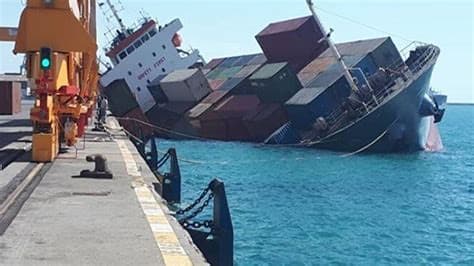
The incident involves a ship that reportedly sank off the coast of Sri Lanka, carrying a crew with potential links to Iranian military interests. The U.S. views the repatriation of these individuals as a security concern, fearing that their return to Iran could bolster military capabilities and further complicate regional dynamics. The U.S. government has expressed that allowing these individuals to return could pose risks not only to U.S. interests but also to the stability of the region.
Sri Lankan officials are weighing the implications of U.S. pressure against their obligations under international maritime law. The situation has raised questions about humanitarian considerations, as the crew members and survivors also require assistance following the maritime disaster. Sri Lanka, which has historically maintained a neutral stance in regional conflicts, now finds itself at a crossroads, balancing international relations with humanitarian needs.
This diplomatic push reflects the broader context of U.S.-Iran relations, which remain strained amid Iran's nuclear ambitions and its regional activities. The U.S. aims to maintain a strategic position in the Indian Ocean, where the dynamics of maritime security are increasingly important. The potential repatriation of the Iranian crew could be seen as a move that might embolden Iran's military posture, further complicating the already tense geopolitical landscape.
As the situation unfolds, it remains to be seen how Sri Lanka will navigate the pressures from both the U.S. and Iran, balancing its international relations while adhering to humanitarian principles. The international community is closely monitoring developments, highlighting the importance of respecting human rights and maritime laws in such incidents. The outcome of this situation could set a precedent for how nations handle similar dilemmas in the future, particularly in regions where geopolitical interests intersect with humanitarian obligations.
Published by Banx Network. This article is part of the Banx decentralized media programme, powered by the BXE token on the XRP Ledger.



