
Key Highlights
- Oil prices in the U.S. increased by over 3% due to geopolitical tensions.
- Iran's control over the Strait of Hormuz raises supply disruption fears.
- Analysts warn of potential impacts on global inflation and consumer costs.
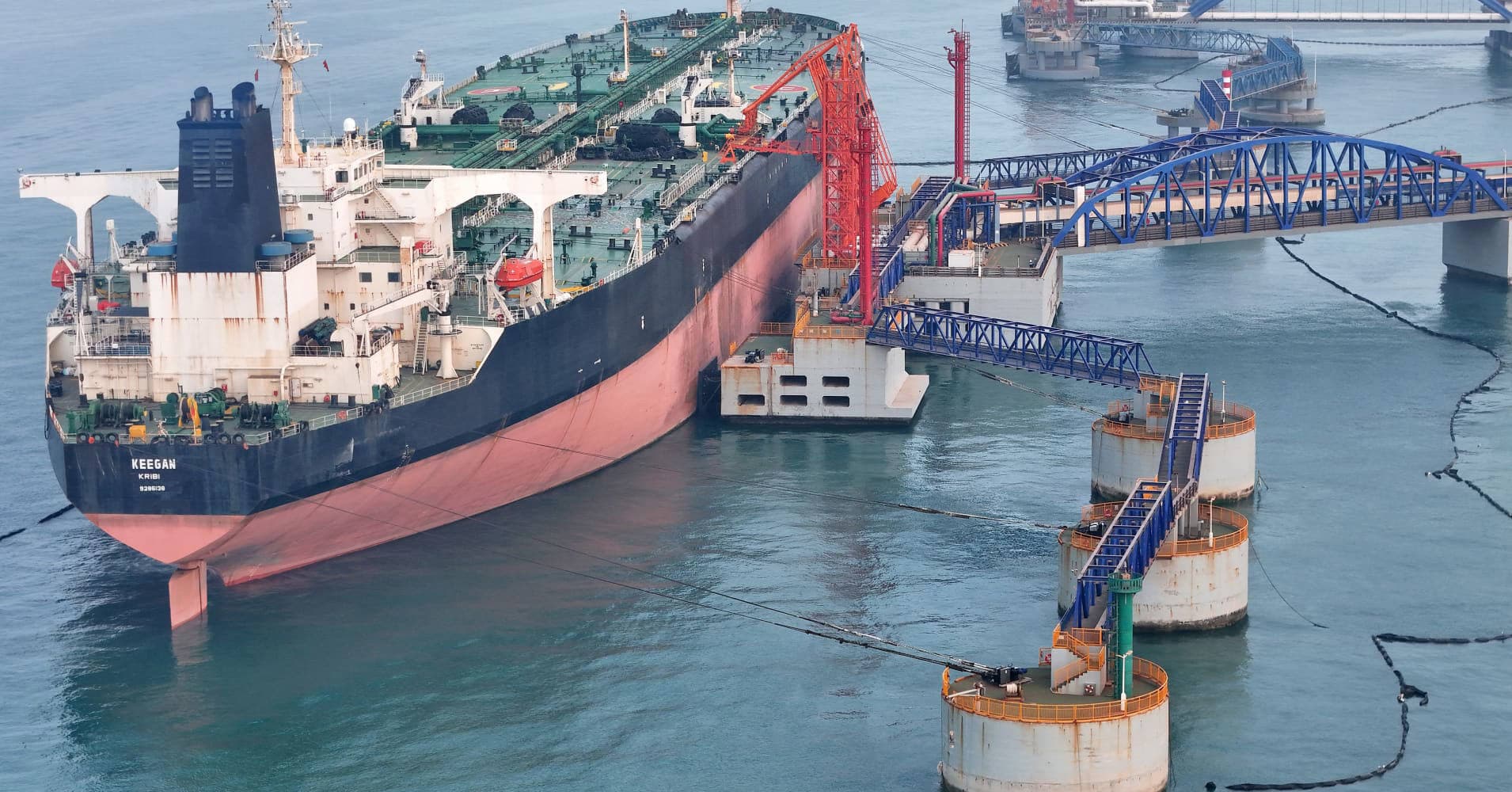
U.S. oil prices have surged by more than 3% as tensions escalate following Iran's increased control over the Strait of Hormuz, a vital passage for global oil transport. This strategic waterway is responsible for approximately 20% of the world's oil shipments, making any disruption a significant concern for the global economy.
The recent spike in oil prices reflects not only immediate supply concerns but also the broader geopolitical uncertainties that can influence energy markets. Analysts have noted that the current situation is a classic example of fear-driven trading. "Any sign of instability in the region leads to immediate reactions in oil prices due to its significant implications for global supply," remarked one market analyst.
As military activities in the region intensify, traders are increasingly wary of potential disruptions. Countries that rely heavily on oil imports, particularly in Europe and Asia, are closely monitoring developments. The fear of military escalation could lead to further increases in oil prices, which would have a cascading effect on consumer costs and inflation rates worldwide.
In light of these developments, oil companies and economic planners are reassessing their strategies to maintain operational stability amid the geopolitical unrest. The potential for increased prices is prompting stakeholders to prepare for various scenarios, including the possibility of prolonged tensions in the region.
Global demand for oil remains robust, and the intertwining complexities of international politics are likely to keep stakeholders on high alert. As the situation continues to evolve, market participants will be watching closely for any developments related to Iran's control over this critical shipping lane and how it may impact oil prices in the coming weeks.
The implications of these tensions extend beyond immediate price increases; they could also affect long-term energy strategies and economic planning for countries dependent on oil imports. With the global economy still recovering from previous disruptions, the stakes are high for both consumers and businesses alike.
As analysts continue to evaluate the situation, the oil market's sensitivity to geopolitical events underscores the intricate relationship between politics and energy supply. The coming days and weeks will be crucial in determining how these tensions will shape the future of oil prices and the broader economic landscape.
Published by Banx Network. This article is part of the Banx decentralized media programme, powered by the BXE token on the XRP Ledger.



