
Key Highlights
- Incident:USS Higgins lost power and propulsion for several hours.
- Location:The incident occurred in the Indo-Pacific region.
- Investigation:The cause of the electrical failure is under investigation.
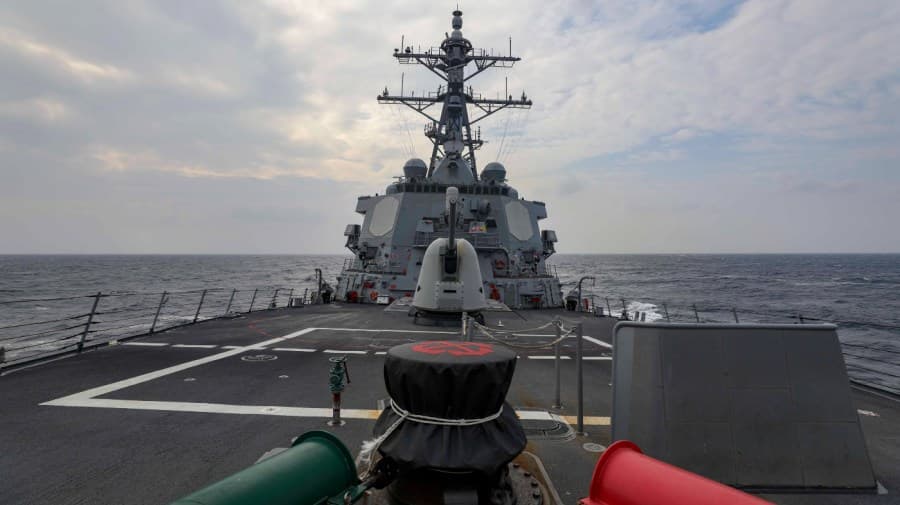
The USS Higgins, an Arleigh Burke-class guided-missile destroyer, faced a critical failure in its electrical system, leading to a complete loss of power and propulsion for several hours while operating in the Indo-Pacific region. This incident rendered the vessel effectively 'helpless,' leaving its crew of approximately 300 personnel unable to navigate or defend against potential threats. The situation raised alarms about the operational reliability of U.S. naval vessels in contested waters.
Cmdr. Matthew Comer, spokesperson for the U.S. 7th Fleet, characterized the outage as an 'engineering casualty.' Initial assessments indicate that an electrical malfunction may have caused sparking or smoke, but the crew managed to contain the situation without any reported injuries. Power and propulsion were eventually restored, allowing the ship to regain its operational capabilities.
The loss of power placed the USS Higgins in a precarious position, severely limiting its ability to operate essential systems, including radars and combat defenses. Carl Schuster, a former U.S. Navy captain, emphasized the implications of such a failure, stating that during the outage, the ship was 'electronically blind and immobile.' This highlights the critical nature of maintaining operational readiness in high-stakes environments.
The Navy has not disclosed the specific location of the incident within the vast area of responsibility for the Indo-Pacific Command, which extends from the U.S. West Coast to the western border of India and includes significant strategic waters. The lack of detailed information raises concerns about transparency and accountability in addressing such failures.
This incident is part of a broader pattern of operational challenges facing the U.S. Navy, following previous incidents involving fires on other vessels, such as the USS Gerald R. Ford and the USS Dwight D. Eisenhower. The ongoing investigation into the electrical failure on the Higgins is crucial for understanding the underlying issues affecting the readiness and safety of America's naval fleet in vital operational theaters.
As the U.S. Navy continues to engage in high-stakes missions, ensuring the reliability and safety of its vessels remains a top priority for military officials. The implications of this incident extend beyond the immediate operational concerns, raising questions about the future of naval readiness in an increasingly complex global landscape.
Published by Banx Network. This article is part of the Banx decentralized media programme, powered by the BXE token on the XRP Ledger.



