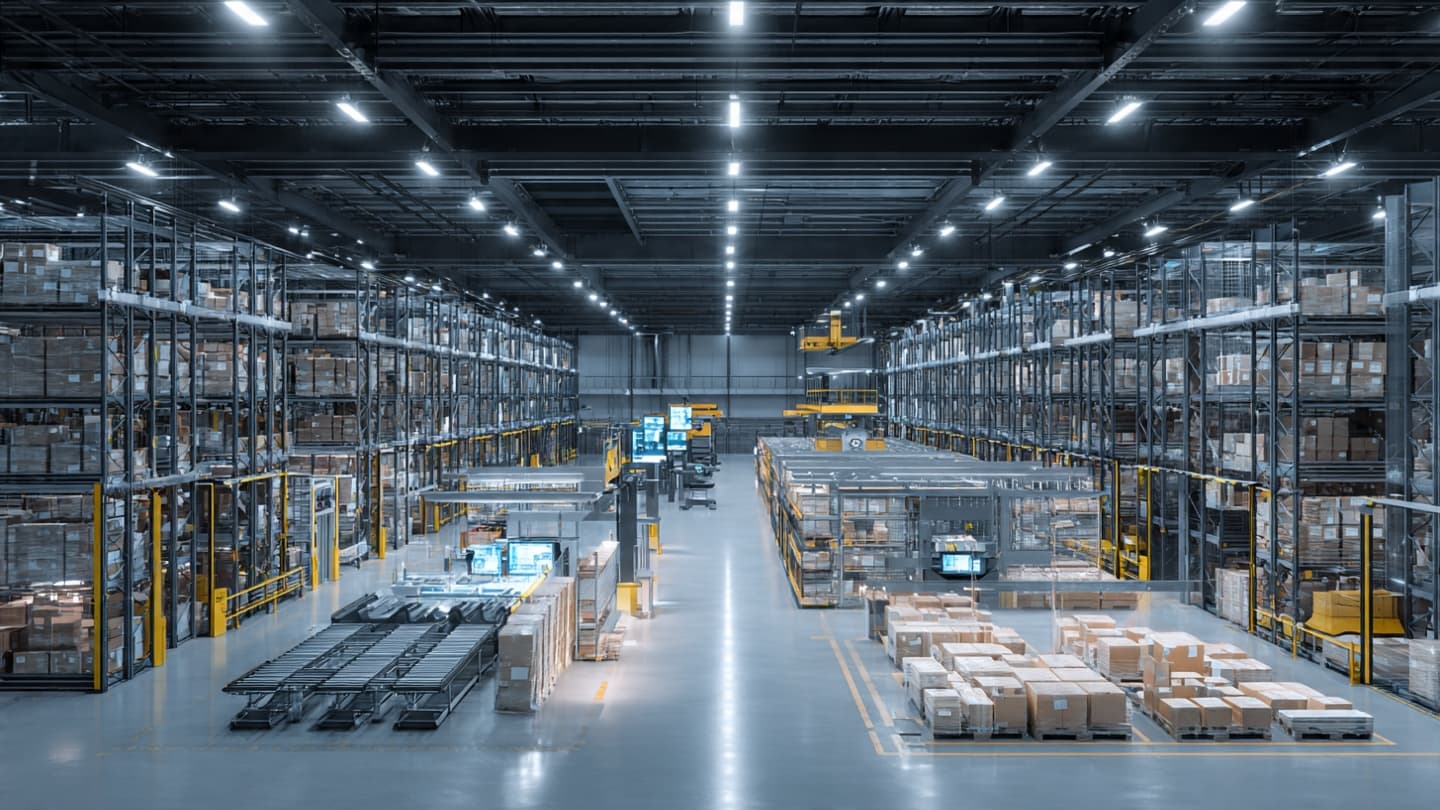
The U.S. logistics industry continues investing in warehouse automation as businesses seek faster order fulfillment and greater supply chain efficiency. Distribution centers are increasingly adopting robotics, artificial intelligence, and automated inventory systems to meet growing consumer demand.
Modern warehouses now use autonomous mobile robots, intelligent sorting equipment, and real-time inventory management software to improve productivity and reduce operational costs. These technologies enable companies to process higher volumes of orders with greater accuracy.
Logistics providers are also integrating predictive analytics to optimize delivery routes and inventory planning. Combined with cloud-based management systems, these innovations improve supply chain resilience and customer satisfaction.
Industry observers believe automation will remain essential as e-commerce continues expanding and businesses require more flexible logistics operations. Workforce training programs are also helping employees develop skills needed to operate advanced warehouse technologies.
Analysts expect warehouse automation to continue transforming the logistics sector while strengthening the efficiency and competitiveness of U.S. supply chains.
AI Image Disclaimer Illustrations shown in this article were produced using AI for conceptual visualization and are not authentic photographs.
Source Check Reuters, Bloomberg, CNBC, Supply Chain Dive, The Wall Street Journal
Published by Banx Network. This article is part of the Banx decentralized media programme, powered by the BXE token on the XRP Ledger.