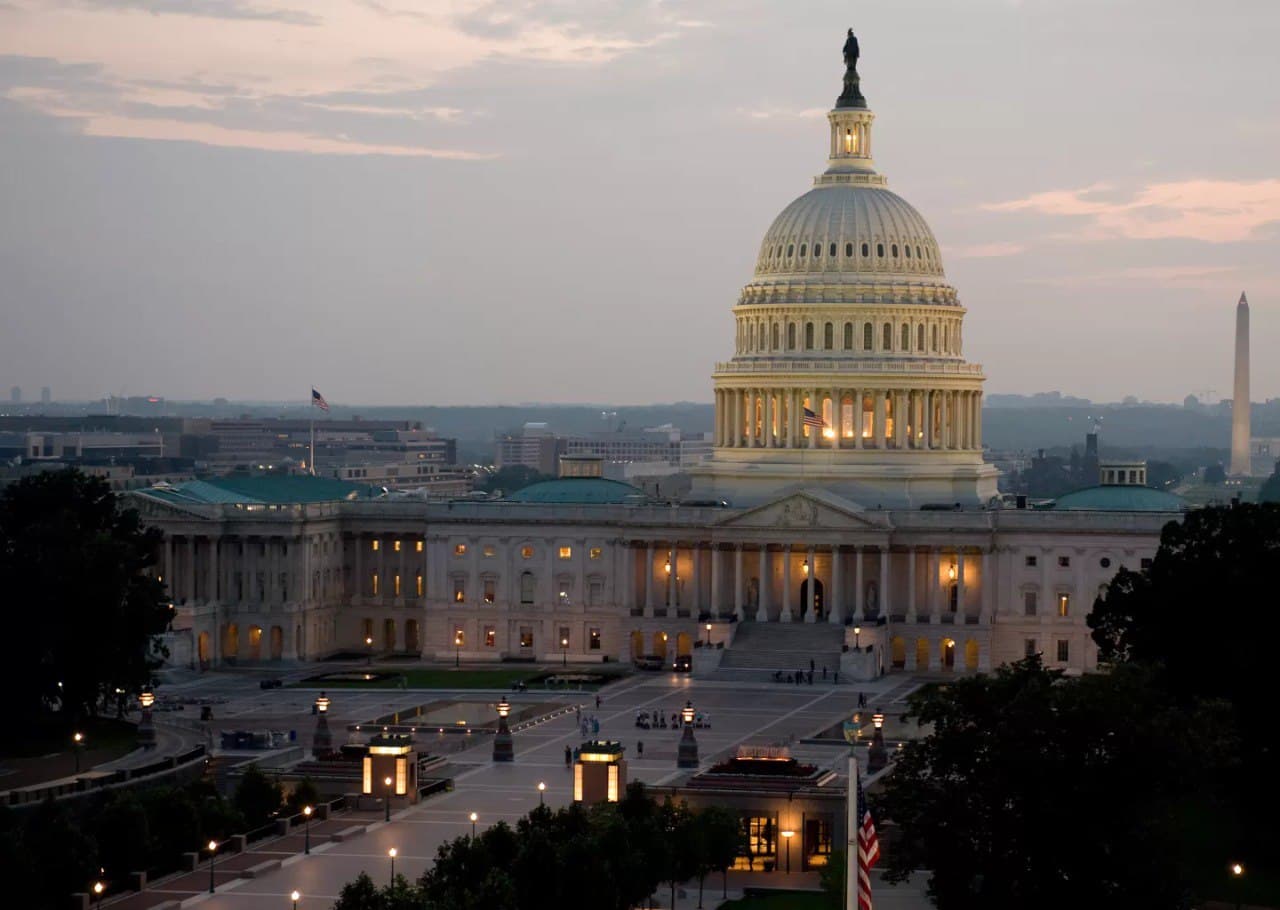
A group of U.S. lawmakers has issued a sharp call for targeted sanctions against Pakistan’s senior military leadership, citing extensive allegations of human-rights abuses, widespread election interference, and an ongoing campaign of transnational repression. The demand, addressed to senior U.S. officials, urges Washington to place strict conditions on any future diplomatic or security engagement with Pakistan’s Army Chief, General Asim Munir.
The lawmakers warn that Pakistan’s military establishment continues to exert overwhelming control over political, judicial, and civil institutions, undermining democratic processes and suppressing dissent. Their statement highlights incidents involving harassment of journalists, intimidation of political opponents, pressure on the judiciary, and actions against members of the Pakistani diaspora who criticize military leadership.
They argue that the U.S. should respond with asset freezes, visa restrictions, and a broader reassessment of bilateral cooperation unless measurable improvements in governance and rights protections take place. Several members emphasized that U.S. foreign policy must prioritize democratic principles, especially when dealing with security-focused partners.
Human-rights organizations have long raised concerns about the military’s influence in Pakistan’s political landscape, but the latest congressional push marks one of the strongest signals yet that Washington may consider recalibrating its engagement.
Pakistan’s government has not issued an immediate response. Analysts note that any sanctions targeting high-ranking military figures would represent a significant shift in U.S.–Pakistan relations, which historically relied on strategic and defense partnerships.
Published by Banx Network. This article is part of the Banx decentralized media programme, powered by the BXE token on the XRP Ledger.