
Key Highlights
- U.S. military has begun extensive strikes against Iran.
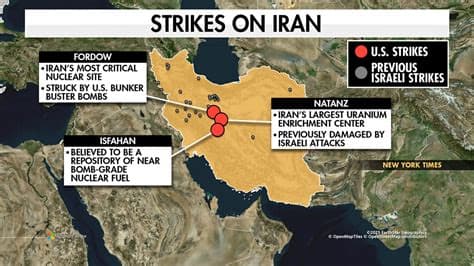
- Strikes target military installations linked to Iran's nuclear ambitions.
- Iranian leadership vows retaliation amid rising tensions.
The United States has initiated a series of extensive military strikes against targets in Iran, marking a significant escalation in the ongoing tensions surrounding Iran's nuclear ambitions and its regional activities. This unprecedented military campaign represents a critical turning point in U.S.-Iran relations, drawing widespread attention from the international community and raising concerns about potential repercussions.
Pentagon officials have confirmed that the strikes are specifically aimed at military installations associated with Iran's nuclear program and its support for various militant groups operating in the region. The operation is designed to weaken Iran's military capabilities and deter further aggressive actions that threaten U.S. interests and its allies in the Middle East. This escalation comes after a series of provocations from Iran, including missile launches and increased support for proxy groups in neighboring countries, which U.S. officials argue pose a direct threat to both regional and global security.
In response to the strikes, Iranian leadership has condemned the actions, vowing retaliation and asserting that such military interventions will only exacerbate hostility and instability in the region. The rhetoric surrounding these attacks has intensified fears of a broader conflict, as both nations enter a precarious phase of heightened military readiness. Iranian officials have called for unity among regional allies to counter what they describe as U.S. aggression.
The international community, including key allies of the United States, is closely monitoring the situation. Many nations are urging restraint and advocating for diplomatic dialogue to prevent further escalation. As military strikes continue, there are growing concerns about the humanitarian impact and the potential for civilian casualties, which could further complicate the already fragile state of peace in the Middle East.
This situation underscores the complex geopolitical dynamics at play in the region. The U.S. remains committed to its military objectives, but the potential consequences of these actions could reverberate throughout the Middle East for an extended period. Analysts warn that without a concerted effort towards diplomacy, the risk of a wider conflict remains high, with implications that could affect global stability.
As the situation develops, the focus will likely shift to the responses from both the Iranian government and the international community, as well as the potential for renewed diplomatic efforts to address the underlying issues fueling this conflict.
Published by Banx Network. This article is part of the Banx decentralized media programme, powered by the BXE token on the XRP Ledger.



