
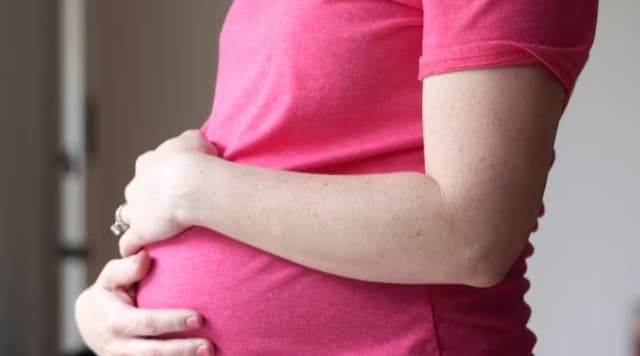
In a landmark ruling, a U.S. judge has granted a new trial to a woman who received an 18-year prison sentence after the stillbirth of her child, a case that has garnered widespread attention and controversy. The judge's decision underscores the complexities surrounding maternal rights and the criminalization of pregnancy outcomes.
The woman, who was sentenced under laws that many advocates argue unfairly target expectant mothers, has been at the center of a legal battle that highlights the tension between the criminal justice system and reproductive health issues. Her case raised critical questions about the extent to which the law should intervene in personal medical situations, particularly those involving pregnancy complications.
During the original trial, prosecutors argued that the woman engaged in actions that contributed to the stillbirth. However, advocates for maternal rights assert that such rulings can lead to harmful precedents that punish mothers rather than offering support and understanding for tragic outcomes.
The judge's order for a new trial suggests a recognition of these concerns, as well as potential flaws in the original proceedings. Legal analysts have noted that this case could set significant precedents regarding the treatment of pregnant women within the justice system, potentially influencing future cases.
As the new trial approaches, advocates and legal experts will be closely watching the proceedings, hoping for a fair resolution that considers the complexities of maternal health and the ongoing debates surrounding reproductive rights. The outcome may have far-reaching implications for similar cases nationwide, shaping the discourse on how the legal system intersects with women's health issues.
Published by Banx Network. This article is part of the Banx decentralized media programme, powered by the BXE token on the XRP Ledger.

.jpg&w=3840&q=75 "Blake Lively Awarded $400,000 in Legal Fees After Justin Baldoni Lawsuit Dismissed")
