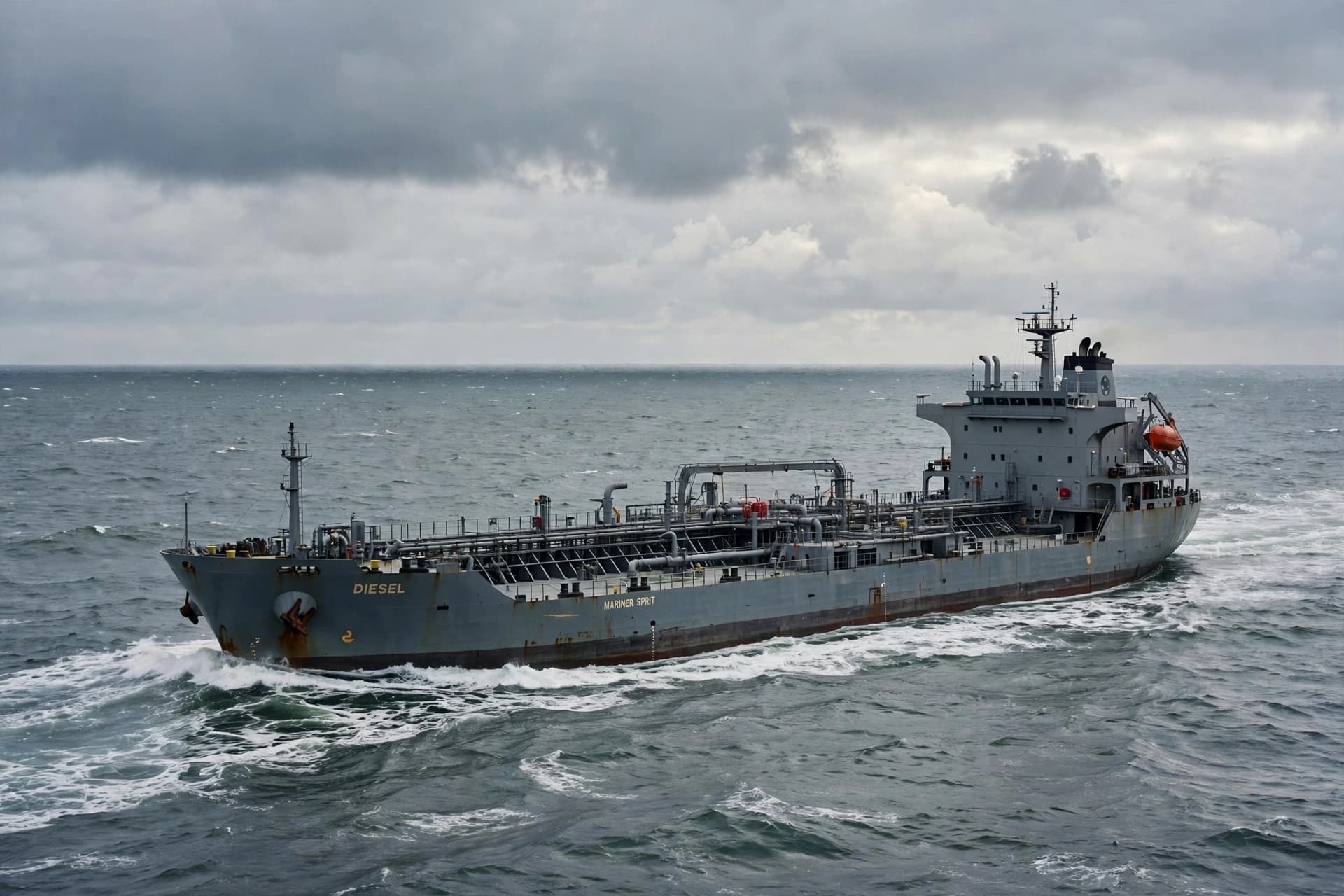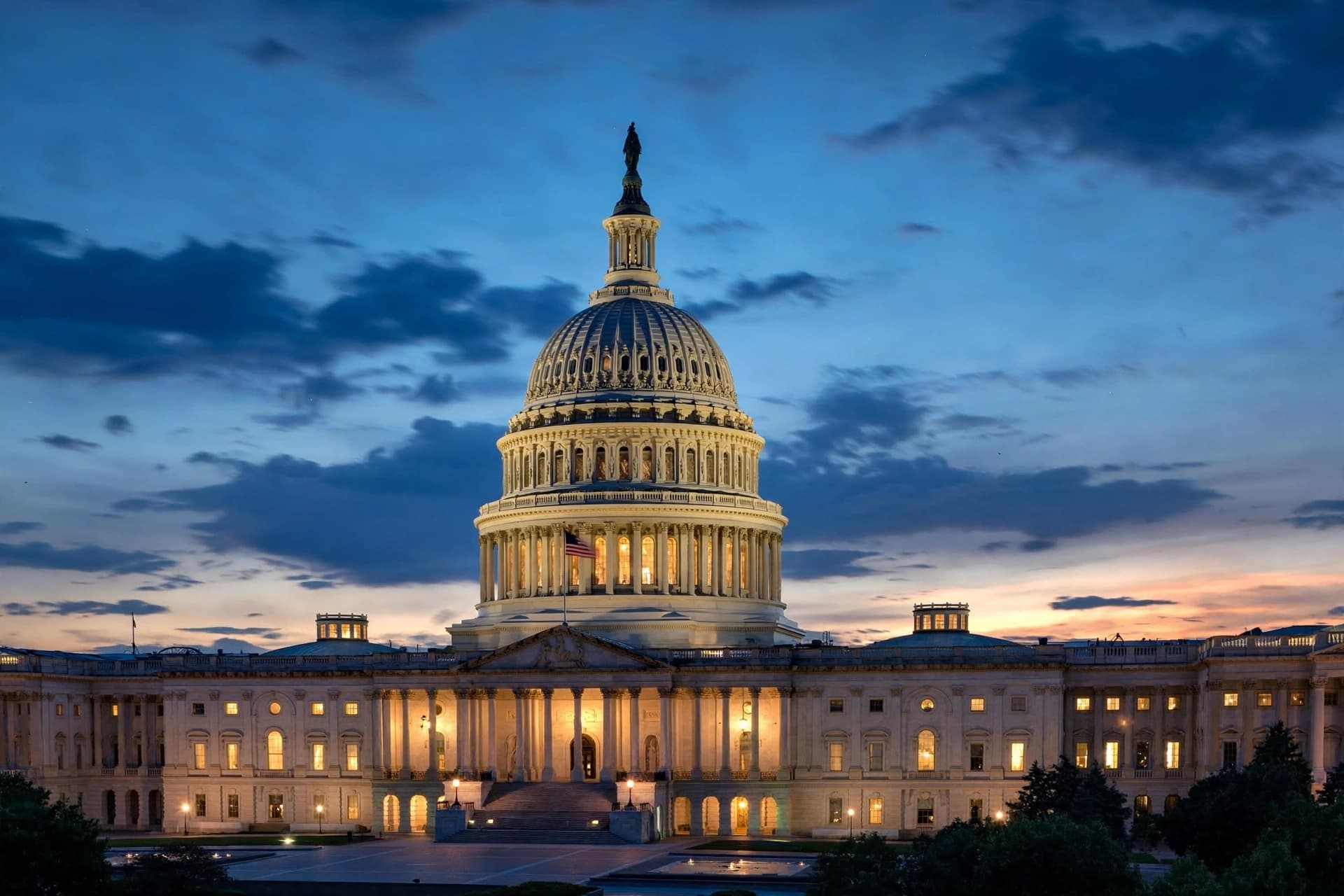
The United States intensified diplomatic and military pressure on Iran through strategic actions involving the Strait of Hormuz and developments linked to Lebanon before recent strikes targeting vessels in the region, according to a media report examining the events leading up to the confrontation. The report outlines how growing tensions developed over several weeks as concerns mounted regarding regional security, maritime navigation and the activities of armed groups operating across the Middle East. Officials closely monitored developments around the Strait of Hormuz, one of the world's most important shipping lanes, through which a substantial share of global oil exports passes each day. At the same time, attention remained focused on Lebanon, where regional dynamics involving Iran-backed groups continued to influence broader security calculations. Analysts say events in Lebanon often have wider implications for Middle Eastern stability because of the country's strategic location and the involvement of multiple regional actors. According to the report, Washington increased pressure through diplomatic messaging, military positioning and coordination with regional allies in an effort to deter further escalation. The measures were intended to demonstrate readiness while encouraging restraint and protecting international shipping routes. The reported strategy reflected longstanding U.S. concerns over freedom of navigation and the security of commercial maritime traffic. Any disruption in the Strait of Hormuz has the potential to affect global energy markets, prompting close monitoring by governments and international organizations. Regional experts note that tensions involving Iran and the United States have frequently centered on maritime security, sanctions, military deployments and the activities of allied armed groups. These issues have periodically raised fears of broader confrontation despite ongoing diplomatic efforts. International observers continue urging all parties to avoid actions that could further destabilize the region. Diplomatic engagement remains widely viewed as the most effective means of reducing risks while maintaining stability in critical international shipping corridors. While the situation remains fluid, governments around the world continue monitoring developments because of their potential implications for global trade, energy prices and regional security. Analysts say future progress will depend on sustained diplomatic dialogue, effective crisis management and continued efforts to prevent misunderstandings that could trigger renewed hostilities. The report highlights the complex balance between military deterrence and diplomatic engagement as policymakers seek to safeguard regional stability while avoiding a wider conflict that could have significant international consequences.
Published by Banx Network. This article is part of the Banx decentralized media programme, powered by the BXE token on the XRP Ledger.