Key Highlights
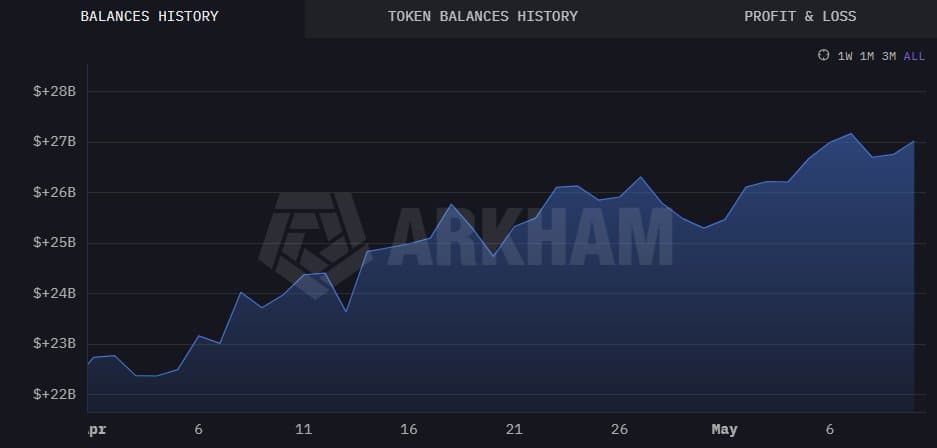
- Increase:U.S. government’s cryptocurrency holdings have surged by over $4 billion since April 1.
- Market Influence:The rise in holdings reflects broader trends in the cryptocurrency market, particularly Bitcoin.
- Seizure Origins:Most of the government’s crypto assets come from seizures linked to criminal activities.
The United States government’s cryptocurrency holdings have reportedly increased by more than $4 billion since April 1, according to data circulating across the crypto sector. This significant rise has reignited discussions about the size and influence of government-controlled digital asset reserves, especially as Bitcoin and other cryptocurrencies continue to recover in value.
Historically, much of the U.S. government’s crypto portfolio has been amassed through seizures related to criminal investigations, darknet marketplaces, fraud cases, and enforcement actions. Rather than actively purchasing cryptocurrencies, federal authorities typically acquire these assets through confiscations conducted by various agencies, including the Drug Enforcement Administration (DEA) and the Federal Bureau of Investigation (FBI).
As market prices rise, the value of these holdings naturally increases. Recent gains across Bitcoin and the broader cryptocurrency markets appear to have significantly boosted the overall balance of government-controlled wallets. Data tracked by blockchain intelligence platforms indicates that the United States remains one of the largest known sovereign holders of Bitcoin, with government wallets often attracting major market attention. Transfers or sales from these wallets can temporarily impact investor sentiment and lead to short-term price movements.
The reported $4 billion increase underscores how closely government holdings are tied to the performance of the broader crypto market. When digital asset prices rally, the value of seized reserves can rise rapidly, further increasing the scale of state-controlled crypto balances. For the crypto community, government ownership of digital assets presents a fascinating paradox. While regulators have often taken tough stances toward various parts of the industry, federal agencies simultaneously control billions of dollars worth of cryptocurrencies through enforcement-related seizures.
Investors closely monitor these holdings for another reason: potential sell pressure. Previous government-linked Bitcoin transfers have occasionally sparked market speculation about liquidation risks, creating temporary volatility across crypto markets. As such, the actions of government agencies can have far-reaching implications for market dynamics.
At the same time, the growing state-controlled holdings may reinforce the argument that digital assets have become too significant for governments to ignore. As regulation evolves and institutional participation expands, cryptocurrencies are increasingly becoming part of broader financial and geopolitical conversations. The future of these holdings will largely depend on market performance, enforcement activity, and how governments choose to manage seized digital assets moving forward.
Published by Banx Network. This article is part of the Banx decentralized media programme, powered by the BXE token on the XRP Ledger.