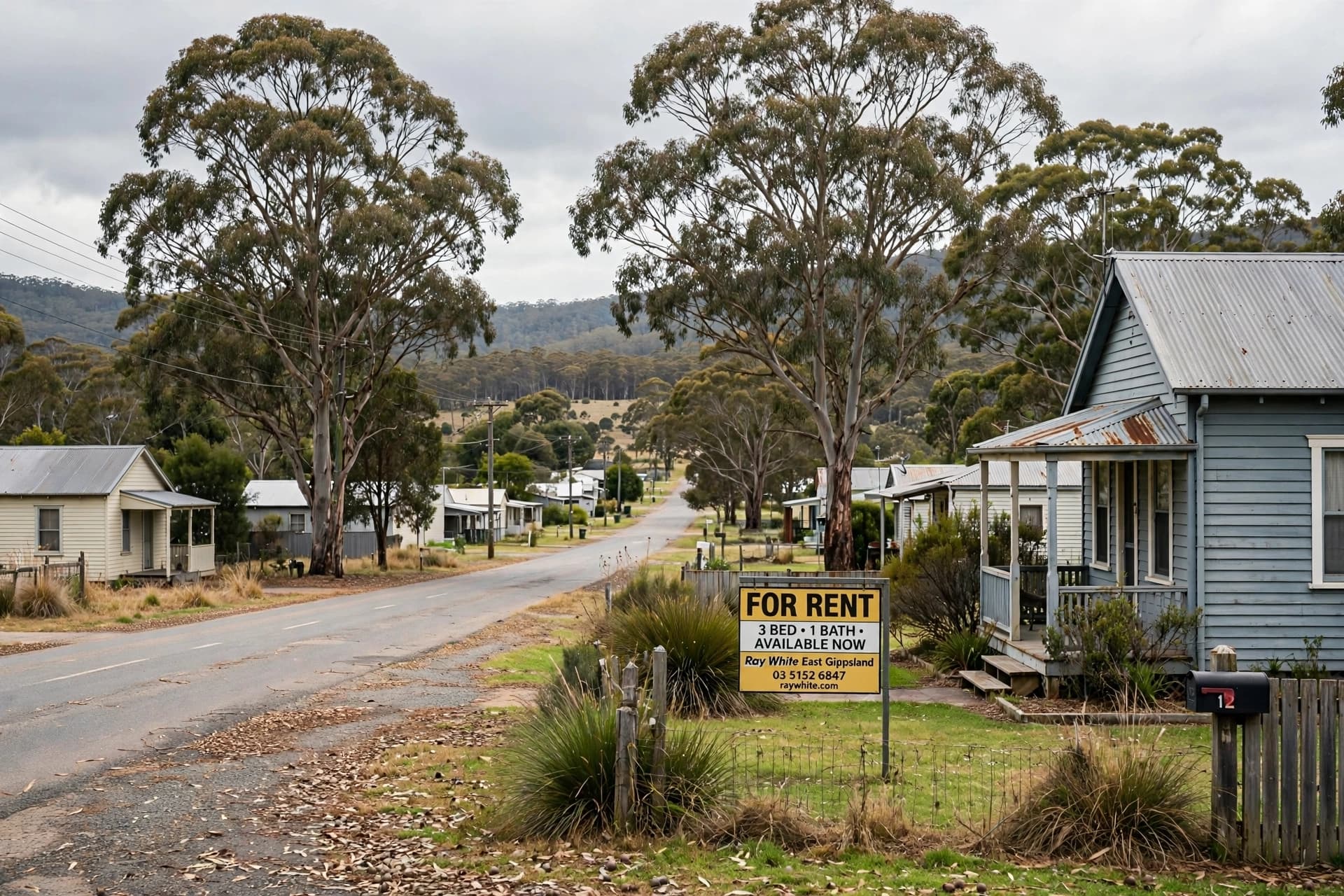
The U.S. housing market is showing fresh signs of strain after foreclosure filings climbed above 227,000 during the first half of 2026, marking a significant increase from recent years. According to industry data, filings are nearly 30% higher than levels recorded two years ago, highlighting growing pressure on homeowners facing elevated borrowing costs and rising living expenses. The increase comes after years of relative stability following the pandemic-era housing boom. During that period, historically low interest rates, government support programs, and strong home price appreciation helped many households avoid financial distress. However, the landscape has changed dramatically as higher mortgage rates and inflation have stretched household budgets. For some homeowners, especially those who purchased properties at peak prices or carry adjustable-rate loans, monthly payments have become increasingly difficult to manage. Despite the rise in filings, analysts note that conditions remain far different from the 2008 financial crisis. Homeowners today generally possess greater equity in their properties due to years of price appreciation. This additional equity often allows struggling borrowers to sell their homes before reaching foreclosure, reducing the risk of widespread market disruption. Nevertheless, the steady increase in filings suggests pockets of financial stress are emerging in multiple regions of the country. Economic uncertainty has also played a role. While employment levels remain relatively resilient, some sectors have experienced slower hiring and periodic layoffs. Higher insurance costs, property taxes, and maintenance expenses have further increased the financial burden associated with homeownership. These pressures are particularly evident in markets where housing affordability was already stretched before interest rates moved higher. Real estate professionals are closely monitoring whether foreclosure activity continues to accelerate during the second half of the year. If rates remain elevated and household finances weaken further, filings could continue climbing. On the other hand, potential interest-rate reductions and a stabilizing economy could ease pressure on borrowers and slow the trend. For investors and policymakers, the increase serves as a reminder that housing remains highly sensitive to financing conditions. Although current levels do not suggest a systemic crisis, rising foreclosures indicate that affordability challenges continue to affect many American households. The coming months will be closely watched for signs of whether the trend reflects temporary stress or the beginning of a broader housing market adjustment.
Published by Banx Network. This article is part of the Banx decentralized media programme, powered by the BXE token on the XRP Ledger.