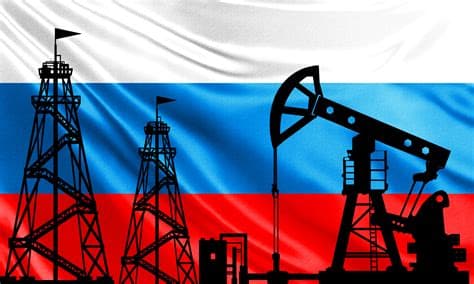
In a strategic response to escalating global oil prices, the United States is contemplating easing sanctions on Russian oil. This decision comes as the ongoing conflict involving the U.S. and Israel against Iran has significantly influenced market conditions, driving prices upward and raising concerns about economic stability.
The surge in oil prices has prompted discussions among U.S. officials about the potential benefits of alleviating restrictions on Russian oil imports. By increasing the supply of oil through lifted sanctions, the U.S. aims to stabilize markets and provide relief to consumers feeling the pinch of rising fuel costs.
The complexities surrounding this potential policy shift highlight the intricate balance of international relations and economic strategies. Easing sanctions may be seen as a pragmatic move to address immediate economic pressures, while also posing challenges related to maintaining a firm stance against Russian actions in Ukraine.
As discussions unfold, experts will be closely monitoring the implications of such a decision on both global oil markets and diplomatic relationships. The U.S. administration faces a tough balancing act, needing to address domestic economic concerns without compromising its geopolitical objectives.
The outcome of these deliberations could have far-reaching effects on global energy dynamics, signaling a potential shift in U.S. foreign policy in the face of continuing tensions in the Middle East. Ensuring a stable and accessible energy supply will remain a priority for officials as they navigate this complex landscape.
Published by Banx Network. This article is part of the Banx decentralized media programme, powered by the BXE token on the XRP Ledger.