

Key Highlights
- Upcoming Vote:The U.S. House of Representatives is scheduled to vote on a bill banning individual stock trading by members of Congress in 19 days.
- Presidential Nomination:President Trump has nominated Kevin Hassett as the next Chair of the Federal Reserve, a move that could influence monetary policy.
- Market Reactions:Both developments are expected to have significant implications for financial markets and regulatory practices.
The U.S. House of Representatives is preparing for a pivotal vote in 19 days on a proposed bill aimed at banning members of Congress from trading individual stocks. This legislation has been a topic of discussion for several years, driven by growing concerns over insider trading and potential conflicts of interest among lawmakers. If passed, this bill could lead to a substantial overhaul of congressional ethics rules, enhancing transparency and accountability in government.
The push for a stock trading ban has gained momentum amid increasing public scrutiny of lawmakers' financial activities. Advocates argue that such a ban is essential to restore public trust in government institutions. The proposed legislation has garnered bipartisan support, reflecting a rare moment of unity in a politically divided Congress. Lawmakers from both parties have expressed the need for stricter regulations to prevent any appearance of impropriety.
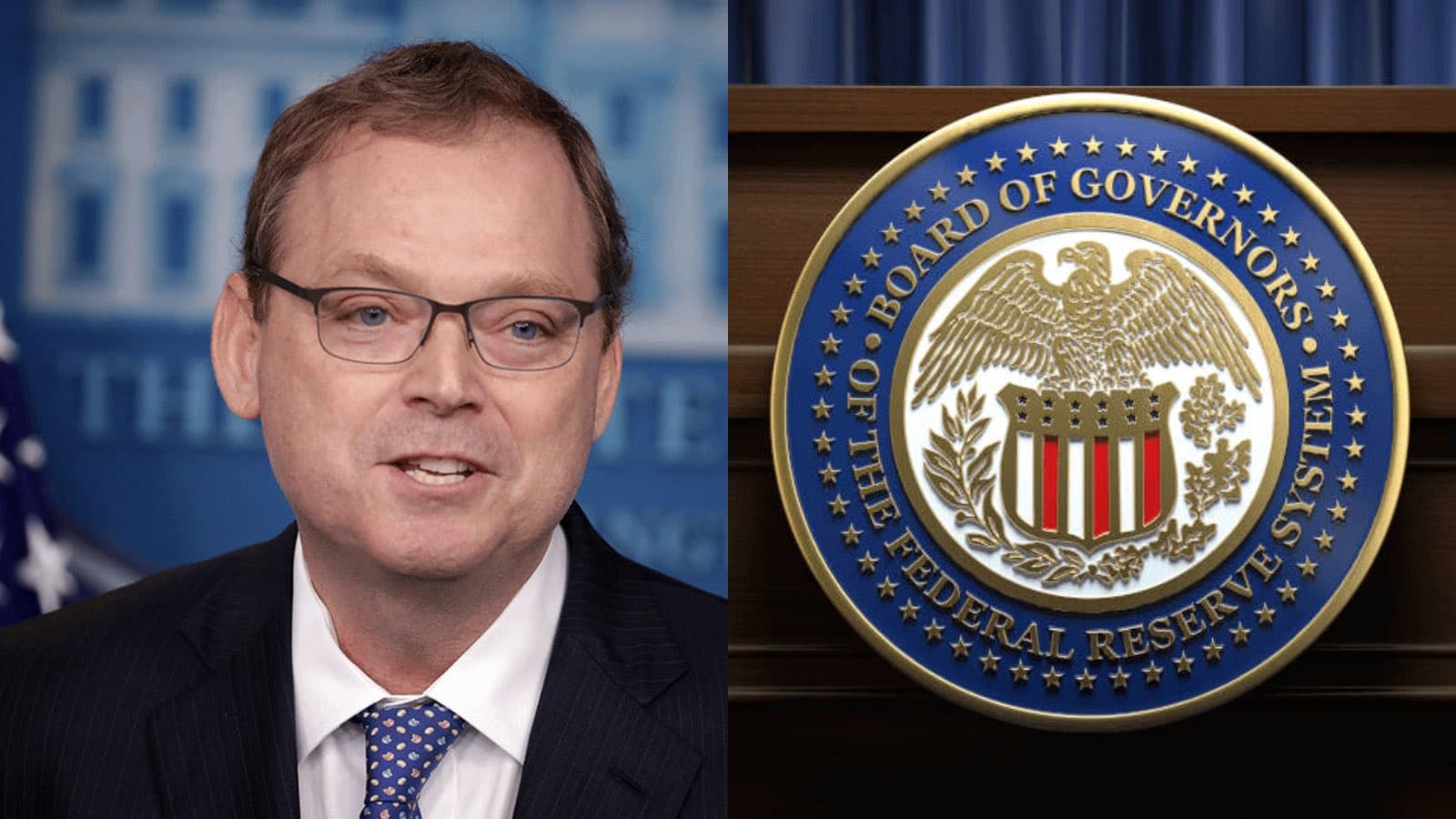
In a separate but equally significant development, President Trump has nominated Kevin Hassett to serve as the next Chair of the Federal Reserve. Hassett, who previously served as an economic advisor, is known for his pro-market stance and is viewed favorably by advocates of cryptocurrency. His nomination could signal a shift in the Federal Reserve's approach to monetary policy, particularly regarding the regulation of digital assets.
Hassett's confirmation would mark a notable change in leadership at the Fed, which has faced criticism for its handling of inflation and interest rates in recent years. Supporters of Hassett's nomination believe that his experience and market-oriented perspective could help navigate the complexities of the current economic landscape, especially as the nation grapples with inflationary pressures and a rapidly evolving financial sector.
The intersection of these two developments—the congressional stock trading ban and Hassett's nomination—highlights a period of significant transition in Washington. The outcomes of both initiatives will be closely monitored by stakeholders in traditional and crypto markets alike, as they could have profound implications for policy direction and economic stability.
As the vote on the stock trading ban approaches, lawmakers will need to weigh the potential benefits of increased transparency against the implications for their personal financial interests. Meanwhile, the Senate will consider Hassett's nomination, with discussions likely to focus on his views regarding monetary policy and financial innovation.
In conclusion, these concurrent events reflect a critical juncture in U.S. governance and economic policy, with the potential to reshape the regulatory landscape for years to come. The implications of these decisions will resonate beyond Capitol Hill, influencing both domestic and global markets.
Published by Banx Network. This article is part of the Banx decentralized media programme, powered by the BXE token on the XRP Ledger.




